
, Huwwara, Za’tara (Tapuah), Wed 14.1.09, Afternoon
Natanya translating.
14.30 Za'tara crossroads. 20 cars from Nablus.
14.36 Huwwara checkpoint.
3 checking lanes including the humanitarian. Little traffic and few people. Racheli asks the captain why this is so and he says that that is a good question. Nadim says that the reason is that the economic situation is very bad as a result of the war in Gaza. The captain of the DCO says that another reason is that there is no university and the soldiers work fast.
One of the captains calls our attention to a document on the window of the checking booth which says that it is forbidden for citizens to pass in the sterile zone. Racheli tries to point out to him how problematic this document is in that if the Palestinians can pass in the sterile area so can we to carry out our work. In the meantime there is little movement and not a long wait. I ask the captain at the checkpoint, E., to check if there is anyone in the isolation and he says that there is not.
Nadim and one of the captains shake hands and Nadim says to him that he probably prefers being at the checkpoint and not in Gaza. The captain says that Gaza must be cleaned of the rockets.
A Palestinian goes past and says to his friend, "What sort of a life is this."
At some stage the police arrive and it seems that the captain of the checkpoint summoned them and the eternal argument begins about where we should be standing. How we can go on with our work at the checkpoint. A policeman, Yehushua Stoller, who spoke first takes our IDs to write them down. We spoke to him and explain that we only want to do our work and not bother the soldiers and that when they do not want to answer them we leave them alone.
I continued the conversation with the policeman which was respectful and good. I explained to him again that we were not there to bother the soldiers but to document what was happening and that if we had questions we spoke to the captain of the checkpoint or the DCO and do not interfere when there is an "incident." The policeman said that he did not understand why he had been summoned as he could see that we were not bothering anyone or speaking violently and that he understood our needs and that he would try to find a solution to the problem. That we should stand on the other side of the low fence next to the turnstiles, very near to the humanitarian line.
The captain of the checkpoint, A., who also spoke to us politely explained that he had received an order from the commander of the brigade not to allow us to stand at the line of the checking booth but only opposite the turnstile between the two checking posts. And he also said that he understood us but could do nothing about it.
About speaking to the soldiers we explained to the policeman Stoller and the captain of the checkpoint, A. that Devorah had spoken to the soldiers and that they had allow us to stand near the humanitarian line.
We left at 16.00 after a good conversation and the hope that the lawyer of Machsomwatch would find a solution to this problem.
16.20 The village of Huwwara. We stopped to ask someone at what time the curfew had ended and he said at 12.
16.49 The crossroads of Za'tara. 7 cars from road 5.
.
14:30 – צומת זעתרה: 20 רכבים מכיוון שכם.
14:36 – מחסום חווארה
3 עמדות פעילות כולל ההומניטרי. תנועה דלילה ביותר. מעט מאוד אנשים. רחלי שואלת את הקצין למה מיעוט האנשים והוא עונה לה: "שאלה טובה…" נדים טוען שאחת הסיבות זה המצב הכלכלי בעקבות המלחמה בעזה. סיבה נוספת היא לפי קצין המת"ק היא שאין אוניברסיטה וגם "עבודה מהירה של החיילים…"
אחד הקצינים מפנה אותנו למסמך המוצמד לחלון עמדת הבדיקה, האומר שאסור לאזרחים לעבור בשטח הסטרילי. רחלי מנסה להראות לקצין את הבעייתיות במסמך, כך שאם הפלסטינים יכולים לעבור בשטח הסטרילי אז גם אנחנו יכולות, על מנת לבצע את עבודתינו. בינתיים התנועה דלילה מאוד ולא מחכים הרבה זמן בתור. אני מבקשת מקצין המחסום, אליאל, לראות אם יש מישהו בצינוק והוא אומר לי שאין שם אף אחד.
נדים ואחד הקצינים מחליפים לחיצות יד. ונדים אומר לו שבטח עדיף לו להיות במחסום מאשר בעזה. הקצין עונה לו שצריך לנקות את עזה מהקטיושות…
פלסטיני עובר ואומר לחברו: "מה זה החיים האלה…"
בשלב מסויים מגיעה משטרה, מסתבר שקצין המחסום הזמין אותה ומתפתח ויכוח ניצחי ואין סופי על מיקום עמידתנו במחסום. ואיך נמשיך לעשות את עבודתנו בחווארה, עם שוטר בשם יהושוע סטולר, שדבר ראשון לקח את תעודות הזהות שלנו לצורך רישום. דיברנו איתו והסברנו לו שאנו רוצות לעשות את עבודתנו ושאנחנו לא מפריעות לחיילים ואם הם בוחרים לא לענות לנו או אז אנו מכבדות זאת.
אני המשכתי את השיחה עם השוטר שהייתה מכבדת וטובה. הסברתי לו שוב שאנחנו לא מחפשות להפריע לחיילים אלא לתעד את מה שקורה ואם יש לנו שאלות אנו מפנות אותן לקצין המחסום או קצין המת"ק, ולא מפריעות באמצע "ארוע…". השוטר טען שהוא לא מבין למה הזמינו אותו ושאנחנו באמת לא מפריעות וגם לא מתלהמות והוא מבין את הצורך שלנו ואף אמר שמצא עבורנו פתרון, שהוא לעמוד מעבר הגדר הנמוכה בקו הקרוסלות, קרוב מאוד לתור ההומניטרי.
קצין המחסום, אליאל, שגם הוא דיבר איתנו בסבר פנים ובצורה מכבדת, הסביר לנו שהוא קיבל הוראה מהמח"ט שאנחנו לא יכולות לעמוד בקו הקרוסלות, אלא רק במעבר מול הקרוסלה שבין שתי עמדות הבדיקה. והוא גם אמר שהוא מבין את הצורך שלנו אך לא יכול לעשות שום דבר.
לגבי הדיבור עם החיילים, אמרנו גם לשוטר סטולר וגם לקצין המחסום אליאל, שדבורה אכן דיברה עם החיילים והם שיתפו פעולה והסכימו שתעמוד לידם בסמוך לתור ההומניטרי.
עזבנו את המחסום ב- 16:00 אחרי שיחה מכבדת ותקווה שעו"ד של מחסום ווטש תמצאנה דרך לפתור את בעיית הנגישות. 16:20 – כפר חווארה: עצרנו בכדי לשאול את תושבי המקום מתי הסתיים העוצר, והם אמרו לנו שהוא הסתיים היום ב- 12:00.
16:49- צומת זעתרה: 7 רכבים מכיוון כביש 5.
Huwwara
See all reports for this place-
The Huwwara checkpoint is an internal checkpoint south of the city of Nablus, at the intersection of Roads 60 and 5077 (between the settlements of Bracha and Itamar). This checkpoint was one of the four permanent checkpoints that closed on Nablus (Beit Furik and Awarta checkpoints to the east and the Beit Iba checkpoint to the west). It was a pedestrian-only barrier. As MachsomWatch volunteers, we watched therre since 2001 two shifts a day - morning and noon, the thousands of Palestinians leaving Nablus and waiting for hours in queues to reach anywhere else in the West Bank, from the other side of the checkpoint the destination could only be reached by public transport. In early June 2009, as part of the easing of Palestinian traffic in the West Bank, the checkpoint was opened to vehicular traffic. The passage was free, with occasional military presence in the guard tower. Also, there were vehicle inspections from time to time. Since the massacre on 7.10.2023, the checkpoint has been closed to Palestinians.
On February 26, 2023, about 400 settlers attacked the town's residents for 5 hours and set fire to property, such as houses and cars. Disturbances occurred in response to a shooting of two Jewish residents of Har Bracha by a Palestinian Terrorist. The soldiers stationed in the town did not prevent the arson and rescued Palestinian families from their homes only after they were set on fire. No one was punished and Finance Minister Smotrich stated that "the State of Israel should wipe out Hawara." Left and center organizations organized solidarity demonstrations and support actions for the residents of Hawara.Hawara continued to be in the headlines in all the months that followed: more pogroms by the settlers, attacks by Palestinians and a massive presence of the army in the town. It amounted to a de facto curfew of commerce and life in the center of the city. On October 5, 2023, MK Zvi established a Sukkah in the center of Hawara and hundreds of settlers backed the army blocked the main road and held prayers in the heart of the town all night and the next day. On Saturday, October 7, 23 The "Swords of Iron" war began with an attack by Hamas on settlements surrounding Gaza in the face of a poor presence of the IDF. Much criticism has been made of the withdrawal of military forces from the area surrounding Gaza and their placement in the West Bank, and in the Hawara and Samaria region in particular, as a shield for the settlers who were taking over and rioting.
On November 12, 2023, the first section of the Hawara bypass road intended for Israeli traffic only was opened. In this way, the settlers can bypass the road that goes through the center of Hawara, which is the main artery for traffic from the Nablus area to Ramallah and the south of the West Bank. For the construction of the road, the Civil Administration expropriated 406 dunams of private land belonging to Palestinians from the nearby villages. The settlers are not satisfied with this at the moment, and demand to also travel through Hawara itself in order to demonstrate presence and control.(updated November 2023)
.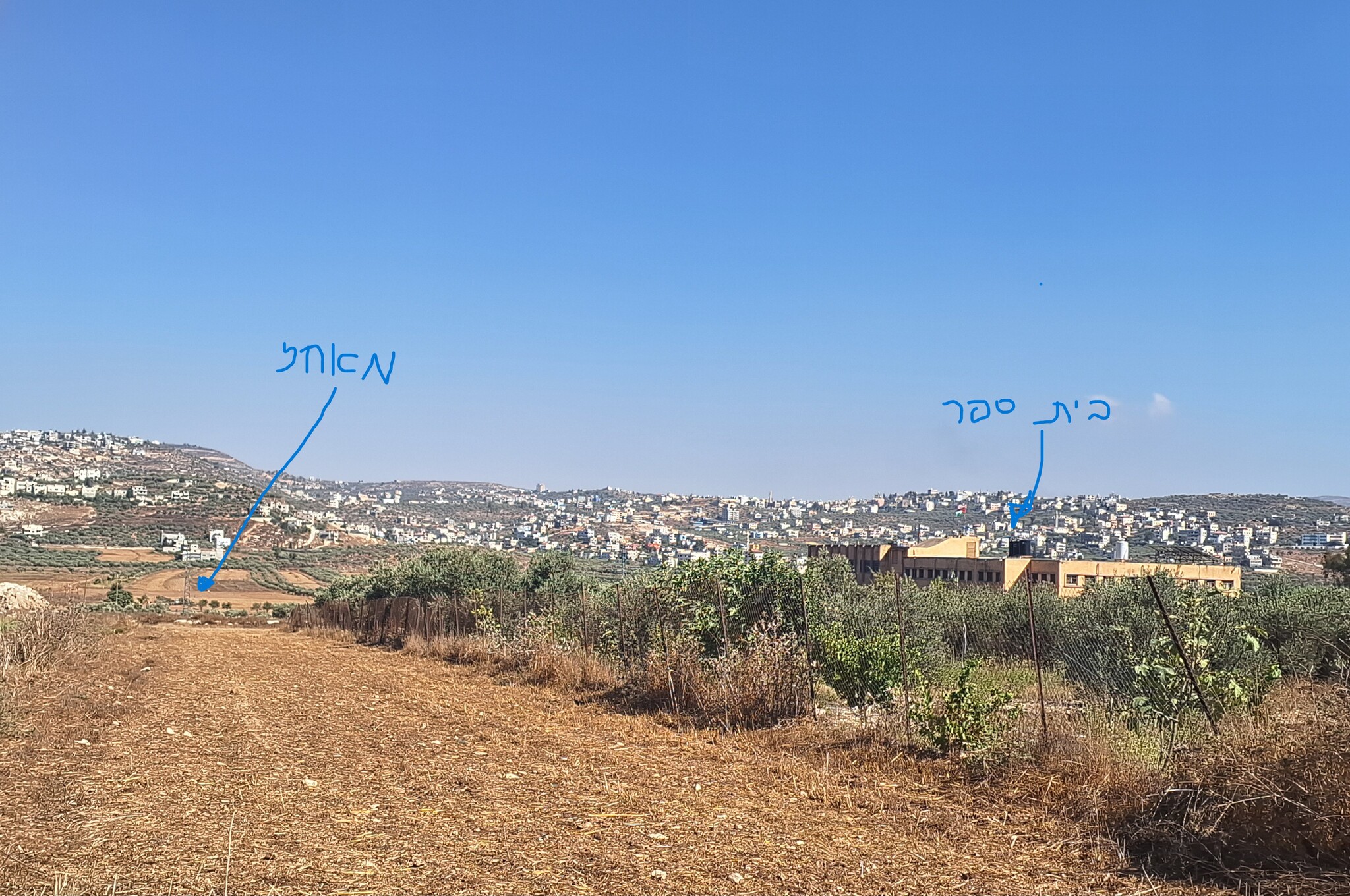 Ronit Dahan-RamatiAug-24-2026Huwara: The school on the outskirts of town and an outpost hidden among the trees
-
Za'tara (Tapuah)
See all reports for this place-
Za'tara (Tapuah) Za'tara is an internal checkpoint in the heart of the West Bank, at the intersection of Road 60 and Road 505 (Trans-Samaria), east of the Tapuah settlement. This checkpoint is the "border" marked by the IDF between the north and south of the West Bank, in accordance with the policy of separation between the two parts of the West Bank that has been in place since December 2005. At the Za'tara checkpoint, there are separate routes for Israelis and Palestinians. In the route for Israelis, there are no inspections and the route for Palestinians inspects. The queue lengthens and shortens suits. The checkpoint is open 24 hours a day. The checkpoint is partially staffed and the people who pass through it are checked at random.
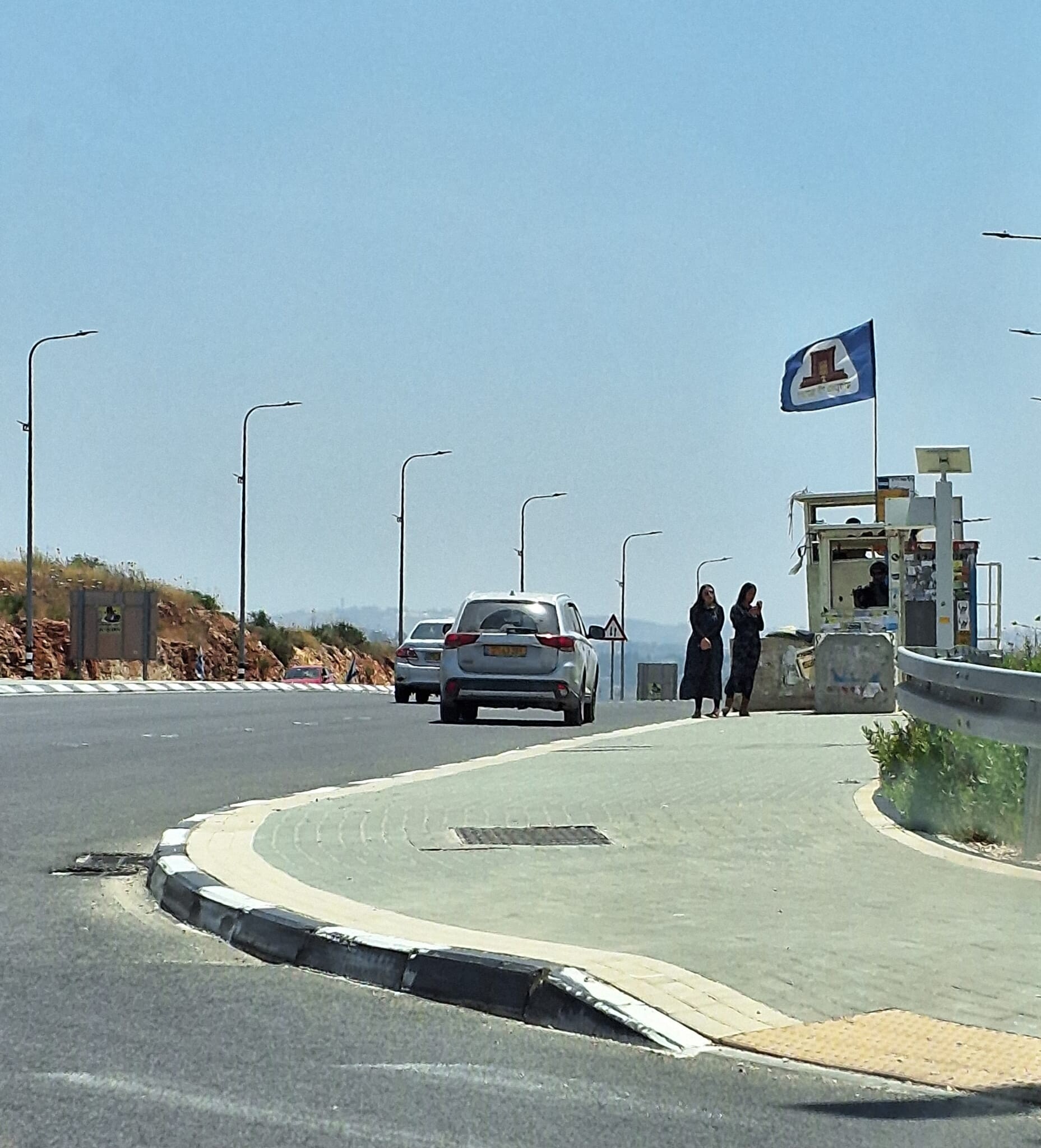 Ronit Dahan-RamatiJun-9-2026Za'atara (Tapuach Junction). The Temple Flag Above a Station
-
