
שועפאת: בית ספר יסודי סגור. סיור ממחנה הפליטים ועד גוש עציון
סיור מצפון ירושלים לדרום עוטף ירושלים – מבית ספר יסודי של עיריית ירושלים בבניין אונר”א לשעבר במ”פ שועאפט לבית נפוז דאדואה באל רוקבה שבפאתי דרום אפרת
מחסום ומחנה פליטים שועאפט
נכנסנו ברכב דרך המחסום כדי לבקר בבית הספר היסודי של עיריית ירושלים היחיד במחנה (לבעלי תושבות ירושלמית בלבד), השוכן בשוק ממכר כבשים לשעבר בסמוך לחומת ההפרדה. אנחנו מבקרות אותו לעתים, מתרשמות מהאווירה הטובה למרות התנאים המחפירים של הכיתות, אך חשות בחשש גדול של הצוות המנהל מתגובת העירייה לביקורינו. לפני שבועיים התפרסמה כתבה בעיתון הארץ על מתחם חינוך גדול וחדשני בשכונת שועאפט ורצינו לברר אם גם ילדים מהמחנה נקלטו בו.
בעבר נאמר לנו שמתוכנן מבנה חינוך חדש וגדול לבתי ספר יסודיים בחלקה מאחוריו. הדבר הפך נחוץ ביותר בעקבות סגירת מתחם החינוך של אונר”א ביולי 2025 והפסקת פעילות אונר”א במחנה (חרם שהכריזה ישראל על ארגון הפליטים של האו”ם בתקופת מלחמת עזה). אז נפלטו 600 ילדים חודש לפני סוף שנת הלימודים ולרבים מהם לא נמצא פתרון מתאים בשנת הלימודים החדשה. בבתי ספר אחרים שביקרנו במחנה הייתה צפיפות בלתי נסבלת בכיתות.
להפתעתנו מצאנו את בית הספר סגור!

תושבים הפנו אותנו לאחד מבנייני קריית החינוך של אונר”א לשעבר. סמוך למה שהיה מגרש הכדורגל במתחם והפך למגרש חניה. רעש תלמידים גדול עלה מהבניין, אך לא הורשינו להיכנס לביה”ס בלי תיאום וליווי של העירייה. תושבים העריכו שיש בו כ-1,500 תלמידים שהגיעו מעוד 2 בתי ספר שנסגרו במחנה.

בשיחה עם דובר העירייה הוא סיפר שבעלי הקרקע של מתחם אונר”א לשעבר הם אנשים פרטיים (חלק מהם יהודים!) והעירייה שוכרת מהם ישירות את הבניין. שאלנו על הצפיפות בכיתות וביקשנו לבקר.
שאלנו גם על תלמידי אונר”א לשעבר שאינם בעלי תעודות כחולות, איפה הם לומדים עכשיו, כי הרי רק לבעלי תעודות כחולות מיועד ביה”ס החדש? הוא הבטיח לברר עם הממונה בעירייה על החינוך במזרח העיר, אך הוסיף, שמבחינת העירייה כל מי שאין לו תעודה כחולה במחנה הוא שוהה בלתי חוקי, אפילו אם משפחתו מתגוררת במחנה שנים רבות.
שאלנו אם היה תיאום כלשהו עם הרשות הפלסטינית בנוגע לתלמידים אלה ושיבוצם במסגרות קרובות (עם הסעות וכו’). הוא אמר שהוא מניח שכן, אבל אין לו מידע בעניין והבטיח לברר.
לבסוף ביקש שאם ניתקל בבעיה הומניטרית כזו, נעביר אותה לטיפולו. הסכמנו. שיתוף פעולה עם עיריית ירושלים בנושאים הומניטריים בשכונות הירושלמיות שהופרדו בחומה יכול להועיל. אנחנו מתכוננות לבקר בקרוב גם במתחם החינוך החדש בשועפאט ולראות אם ילדים ממחנה הפליטים זכו ויזכו ליהנות מהחינוך החדשני והתנאים הטובים שלו.
לדעתנו, המסקנה המתבקשת היא שעיריית ירושלים החליטה לפעול להפרדה בין בעלי התעודות הכחולות לבין התושבים האחרים במחנה הפליטים. אחת הדרכים העיקריות הן חינוך זמין, טוב ונגיש לילדים. האם השאר יגורשו? את זה לא שאלנו…
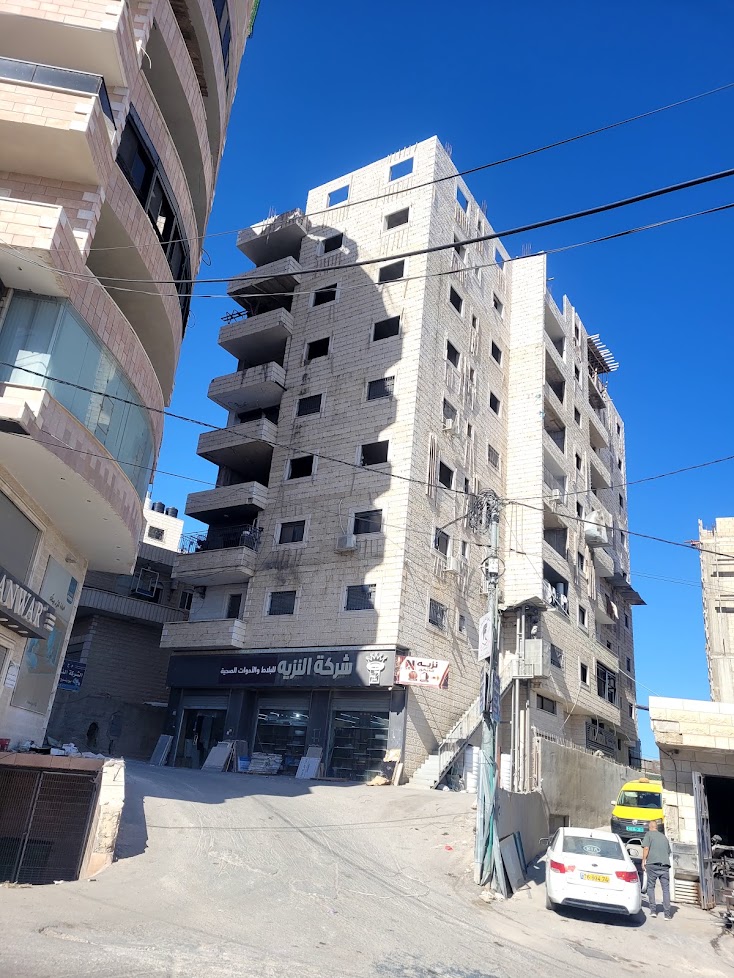
יצאנו דרך ענאתא הצמודה, שאינה בתחום ירושלים. שני בניינים חדשים וגדולים קיבלו צווי הריסה מהמינהל האזרחי, למרות שהם בשטח B, ולפי הסכם אוסלו אין לישראל זכות להריסה בתחום זה.
ראינו גם מחסום מאויש בכניסה הדרומית לענאתא דרך הכביש לפלסטינים בלבד (חלק מכביש האפרטהייד 4370).

המשכנו בסיור מצפון לדרום ירושלים במה שמכונה עכשיו “גוש עציון המזרחי”
*כידוע גוש עציון המקורי כלל 4 קיבוצים ממערב לכביש 60 על 20,000 דונם של קק”ל. כיום המועצה האזורית גוש עציון משתרעת על פני כ-700,000 דונם מפאתי ירושלים בצפון ועד פאתי חברון בדרום, ומקו התפר במערב ועד ים המלח במזרח*
נסענו מצפון ירושלים דרומה דרך א-טור, אבו דיס, ראס אל עמוד, הדרך האמריקאית וכביש ליברמן – וראינו את כל מחסומי הכפרים שהוצבו מאז 7 באוקטובר אשר קוטעים את הדרכים מצפון הגדה (וירושלים) לדרום הגדה. הדרך היחידה להגיע היא דרך כביש תחתי לתוככי העיר בית לחם וממנה לדרום הגדה.
ראינו מול אפרת התנחלות חדשה – אולי מועמדת לשכונת וילות רומיות חדשה (?)

משם נסענו לכניסה הצפונית לאפרת, שם שוכנת משפחת האלמנה נפוז דאדו’אה ושבעת ילדיה. קראו כאן על קורות בית המשפחה העומד להריסה בכל רגע…
לשמחתנו, ביתה של נפוז עומד על תלו עדיין. הבאנו שוקולדים ותרומות ושמענו על אירוסי הבת הבכירה בת ה-19. בת צעירה יותר התחתנה לפני שנה וחצי עם בן דוד מדורא וכבר חובקת בת. בעלה של הבת ניסה לעבור ולעבוד בישראל, נעצר וחטף מכות רצח ממשמר הגבול. הביקורים ההדדיים ספורים בגלל המחסומים והעלויות.
נפוז רומזת שהבנות חייבות להתחתן בגלל טעמים כלכליים וחברתיים – לא מקובל שאישה תגור לבדה בבית עם שני בנים קטנים (הגדול בן 9) וחמש בנות מגיל 14 עד 19. גורר לשונות רעות מהסביבה. לצערנו היה זה ביקור חפוז בגלל מגבלות זמן.
בדרכנו חזרה לירושלים, ראינו שמחסום נשאש סגור לתנועה. רק דרך מחסום זה יכלו לעבור מי שהגיע מבית לחם ומצפון הגדה להמשיך לנסוע לדרומה. הבחנו, שחופרים בצומת נשאש מכביש 60 כביש תחתי (“מרקם חיים” בכיבושית) שיגיע לכניסה של מחסום נשאש. נמשיך לעקוב.
Location Description
'Anata / Al-'Isawiya
See all reports for this place-
'Anata / Al-'Isawiya
A checkpoint on the Eastern Ring Road (4370) opened to traffic at the end of 2018 and connects Route 437 to Route 1 inside Jerusalem. Passing of Palestinians is prohibited except for blue identity cards. Staffed by Border Police from 5:30 a.m. to evening.
-
Checkpoint Shu'afat camp / Anata-Shu'afat (Jerusalem)
See all reports for this place-
The Shu’afat checkpoint is located in the northern part of East Jerusalem at the exit from the village of Anata and the Shu’afat refugee camp, which are located in the area annexed to Jerusalem in 1967. The refugee camp borders the Shu’afat neighborhood to the west, Pisgat Ze’ev to the north, the French Hill neighborhood to the south and the planned expansion of Ma’aleh Adumim to E-1 in the east. It was established in 1966 for 1948 refugees from the West Bank and was populated after the Six Day War by persons who had been expelled from the Jewish Quarter. Today its population comprises some 25,000 people holding blue ID cards and some 15,000 people with Palestinian ID cards. The camp lacks adequate infrastructure and services, and suffers from poverty, neglect and overcrowding. All its buildings are connected to the public electricity and water infrastructure, but not all are connected to the sewer system. The camp’s services are provided by UNRWA, except for those such as health clinics and transportation of pupils to schools in Jerusalem. In 2005, the Israeli High Court of Justice rejected a suit by the residents requesting that the route of the separation fence be drawn such that the camp would remain on the Israeli side, but conditioned its approval of the route on the establishment of a convenient and rapid crossing facility for the inhabitants of the neighborhood, most of whom are residents of Jerusalem.
A temporary checkpoint operated there until December, 2011. It was extremely congested during rush hours, and dangerous for pedestrians (especially children) because of inadequate safety provisions. The new checkpoint was inaugurated south of the old one, for public and private transportation and for pedestrians, intended solely for the residents of the camp – holders of blue ID cards, and those with Palestinian ID cards who possess appropriate permits. There are five vehicle inspection stations at the checkpoint, and two for pedestrians (one of which is currently closed) where scanners have been installed but are not yet operating. According to the army, representatives of government agencies will also be present to provide services to residents of the neighbourhood. The pedestrian lanes are very long, located far from the small parking lots, and accessible through only a single revolving gate.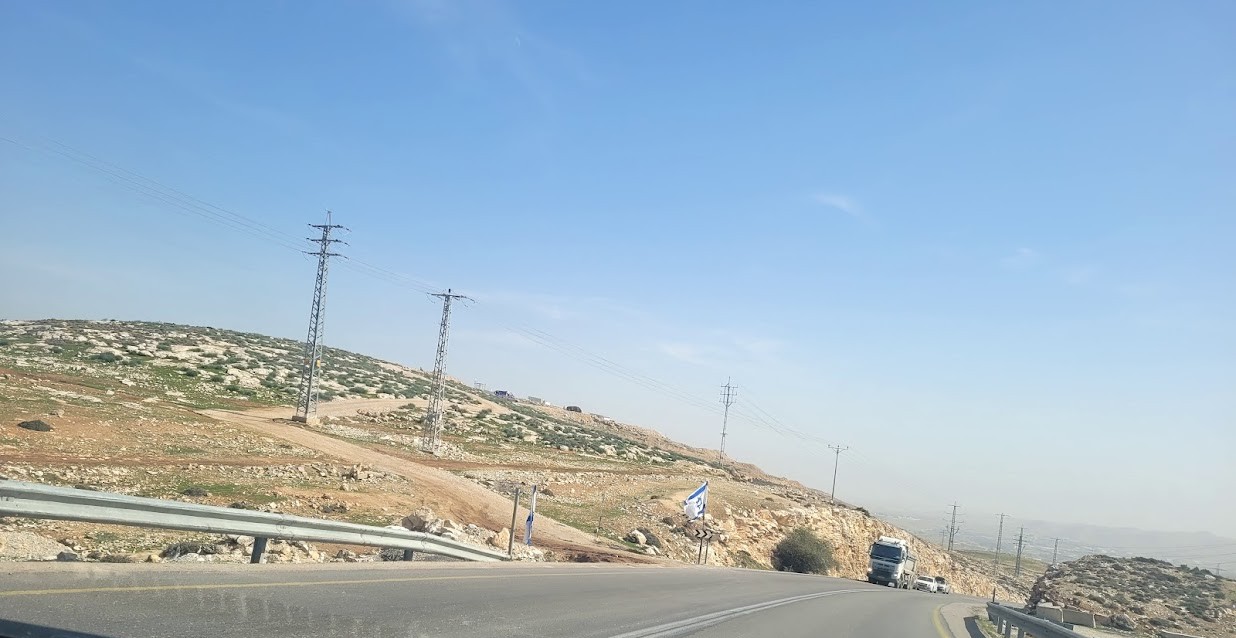 Anat TuegJan-25-2026Anata: A new outpost has been built south of the junction
-
Etzion area / Gush Etzion
See all reports for this place-
Etzion Area / Gush Etzion is a group of Jewish settlements south of Jerusalem, between Bethlehem and Hebron. Attempts at Jewish settlement in the area began in 1927. 4 kibbutzim were established between 1943–1947 but were destroyed during the Battle of Gush Etzion during the War of Independence in 1948.
After the 1967 Six Day War, Jewish settlement in Gush Etzion was renewed, and since then another 14 settlements and 10 outposts have been established. According to the info-icon of the Civil Administration, Gush Etzion is now 7 times larger than its historic area, and the Jewish lands purchased before the evacuation in 1948 constitute less than 15% of the large settlement bloc of the Gush Etzion Council today, which Israel demands to annex in the permanent agreement with the Palestinians.

The Palestinian localities in the area are concentrated in enclaves, the largest of which is in the east - the Bethlehem area, which includes Beit Jala, al-Khader, Beit Sahur and more. To the west are settlements such as Husan, Nahalin, Al Jaba'a and Batir and small and ancient agricultural villages such as Shushahala, Khalat Sakaria and more. These are scattered on the last agricultural land left by the Palestinians in the area. In the 2000s, many illegal outposts sprang up, taking over private Palestinian land under the auspices of the administration and the army, trying in an extremely violent way to evict farmers from their land and homes and thus expand the settlements. Watch the video about the harsh reality in the Shushalah and Makam Nabi Daniel area.
During the 1990s, the new Road 60, most of which is forbidden to Palestinian traffic, was paved, and a separation wall was built next to it. Access to many of the Palestinian villages and agricultural lands in the area was blocked, and a buffer was created between the villages themselves as well as between them and the lands they owned. The layout of the settlements and the network of roads and checkpoints in the entire Etzion area indicate the intention to create a territorial and transportation continuum between Gush Etzion and Jerusalem.
Machsom Watch members have been active in the for many years. We talk to the Palestinians at intersections, DCOs, villages and Makamim (ancient Palestinian heritage sites) and try to publicize the looting, apartheid and violence they are experiencing. You can read about their activities in the attached reports.
in 2021, after many years of negotiations, the Civil Administration issued a new plan for the central village of Khirbet Bet Zakariya, including construction permits. The adjacent settlers protestated and asked the minister of defence to cancel the permits. Our members are in contact with the village and are trying to involve other organiztions and use public opinion and to stop this cancelation.
-
-
