
Hebron, יום ב’ 29.10.07, אחה”צ
Hebron
From 1:00 till 6:00 PM
Hurrying South we had no time to dwell on the improvements at the Patriarchs’ Crossing and the massive army presence beyond Beit Umar along the road. We were asked to pay a visit to the CP’s in Hebron, since the Southern group only gets there in the morning. We were unfortunately too late to observe the schoolchildren coming home, because even the second shift had already finished. We will probably have to leave Jerusalem at 12:00 another time.
We had not been in Hebron for some time and it looked even more than before like a ghost town under siege. We parked across s Chabad kiosk with blaring music and walked along the “Pharmacy” CP, via Gross Square towards Shuhada Street (called Kind David Street in Hebrew). There were hardly any Palestinians on the streets and only a few people crossed the CP’s on foot with their groceries. One woman was not allowed to bring a shopping cart through. The Givati unit is now stationed in Hebron (probably in stead of the border Police). We talked to some soldiers who had spent the last two years in Gaza and consider this a picnic.
Some of the soldiers were chatting with the kids of the settlers and one was making sure that a little girl coming down in full speed on her tricycle didn’t get run over.
We ‘visited’ Tel Rumeida for the first time; one fortress-like building and some caravan like structures with a huge playground next to excavations. This ‘settlement’ is guarded by a squadron (a division) of Givati soldiers. A man told the soldiers: “They are forbidden to be here.” “This area is only for members of the three (sic!) families and their guests if they are duly registered” (it reminded us of the rules pertaining to entering the Kidmat Zion settlement beyond the Cliff Hotel in Abu Dis). We realized that here the civilians dictate the rules and give orders to the soldiers, but not only to the individual soldiers, also to the army and actually to the government and the whole country. We left to save the soldier further embarrassment.
Near Beit Romano where another squadron is stationed a group of soldiers were being briefed prior to going beyond the fence to patrol the Palestinian side of Hebron (H1). Ruth made pictures of the graffiti against Arabs on almost every door and wall. Most to the effect of ‘Death to Arabs’, ‘Arabs Out’, etc. Except for having some talks with the soldiers who appeared friendly towards us and being greeted by some of the few people venturing out, we felt that the sole purpose of our visit amounted to our mere presence and maybe this doesn’t warrant such a long drive. However, next time we will come earlier to ‘catch’ the children.
Since it was almost getting dark we didn’t manage to see the cemetery or go to Givat Haharsinah.
חברון
צפה בכל הדיווחים למקום זה-
לפי הסכמי וואי פלנטיישן (1997) העיר חברון חולקה לשני אזורים: אזור H1 בשליטת הרשות הפלסטינית, אזור H2 בשליטת מדינת ישראל.
בשטח H2, מתגוררים 60,000 פלסטינים, וכ-800 יהודים (בשכונות אברהם אבינו ותל רומיידה, בגבעת האבות ובשוק הסיטונאי). ל 60,000 הפלסטינים הגרים בו אסור להכנס עם מכוניות לקרבת מגוריהם.
בין שני האזורים הוצבו מחסומים קבועים, מאוישים בחליילים כל שעות היממה. המחסומים מונעים מן הפלסטינים את המעבר בין שני אזורי העיר ביניהם ומנתבים את מעברם של בעלי האישורים, כמו מורים ותלמידים. מלבדם קיימות עוד עשרות חסימות המפרידות בין האזורים H1 ל-H2.בתוך שכונת תל רומיידה הפלסטינית בחברון יש ארבעה מוקדים של היישוב היהודי בחברון
- בית קברות חלקת חבד.
- בית הקברות המוסלמי
- גן האריכאולוגי.
ביתו של ע' קרוב לגן הארכאולוגי קרוב לבית בניין שבנו למתנחלים ועמדה צבאית מאויישת. בחצר כרם זיתים עתיק בן מאות שנים, שלו ושל שכניו. עצי הזית האלה בני אלפי שנים ויקרים מאד ללבם. קרבת המתנחלים יוצרת מצב מאד נפיץ של התנכלויות תכופות כלפי הפלסטינים.
כל שנה ביחוד בתקופת המסיק הצבא צריך לאבטח את המוסקים ולהגן עליהם בגלל התעמרויות המתנחלים.
במדרון, מעין שנחשב קדוש ומהווה מוקד עליה לרגל של רבים מהמתנחלים.
- שכונת המגורים של הפלסטינים.
בתוך השכונה הוקם גם בסיס צבאי .
ליד כל מאחז מתנחלים יש עמדת שמירה צבאית
ושני מחסומים: אחד ליד חלקת חב״ד והשני ליד הגן האריכאולוגי .
התושבים הפלסטינים באזור זה יכולים ללכת רק ברגל, והכניסה לתוך השכונה היא על פי רשימות שיש לחיילים במחסום.
אין כניסה למכוניות פלסטיניות.
בתוך השכונה הוקם פילבוקס וכל המעברים לשכונה ולשאר חלקי חברון חסומים בבטונדות.המחסומים הנצפים במהלך המשמרות:
1.מחסום בית המריבה - מאויש עם פילבוקס
2. מחסומי שכונת קפישה - (הצד הצפוני של ציר ציון) מאויש עם פילבוקס
3.מחסום שני בשכונת קפישה
4. מחסום עיקול 160 (הצד הדרומי של ציר ציון) - מאויש עם פילבוקס
5. גבעת החרסינה
6. מחסום בפתח שכונת אברהם אבינו - עמדת שמירה
7. מחסום בית מרקחת - בדיקה בתוך קרוואן עם מגנומטר
8. מחסום תרפ"ט - בדיקה בתוך קרוואן עם מגנומטר
9. מחסום תל רומיידה - (למעלה) - עמדת שמירה
10. מחסום בית הדסה - (עמדת שמירה)
11. מחסום בית קברות חבד
12. מחסום גן ארכאולוגי
13. מחסום ז'ילבר
14. מחסום בית רחל ולאה
15. מחסום שכונת אברהם אבינו
16. מחסום בית הדסה
17. מחסום השוק הסיטונאי
18. מחסום ציר המתפללים
19. מחסום עאבד
20. מחסום כניסה למערת המכפלה- מגרש החנייה,
21. מחסום מול בית ספר אל פחאייה,
22. מחסום בכניסה למערת המכפלה מכיוון ציר המתפללים
23 עוד שלושה מחסומים מכיוון הקסבה למערת המכפלה.יש חסימות רבות נוספות שלא צוינו כאן.
המציאות מראה שבכל רגע נתון חיילים יכולים לעכב ולעצור כל פלסטיני: גבר, אשה או ילד. 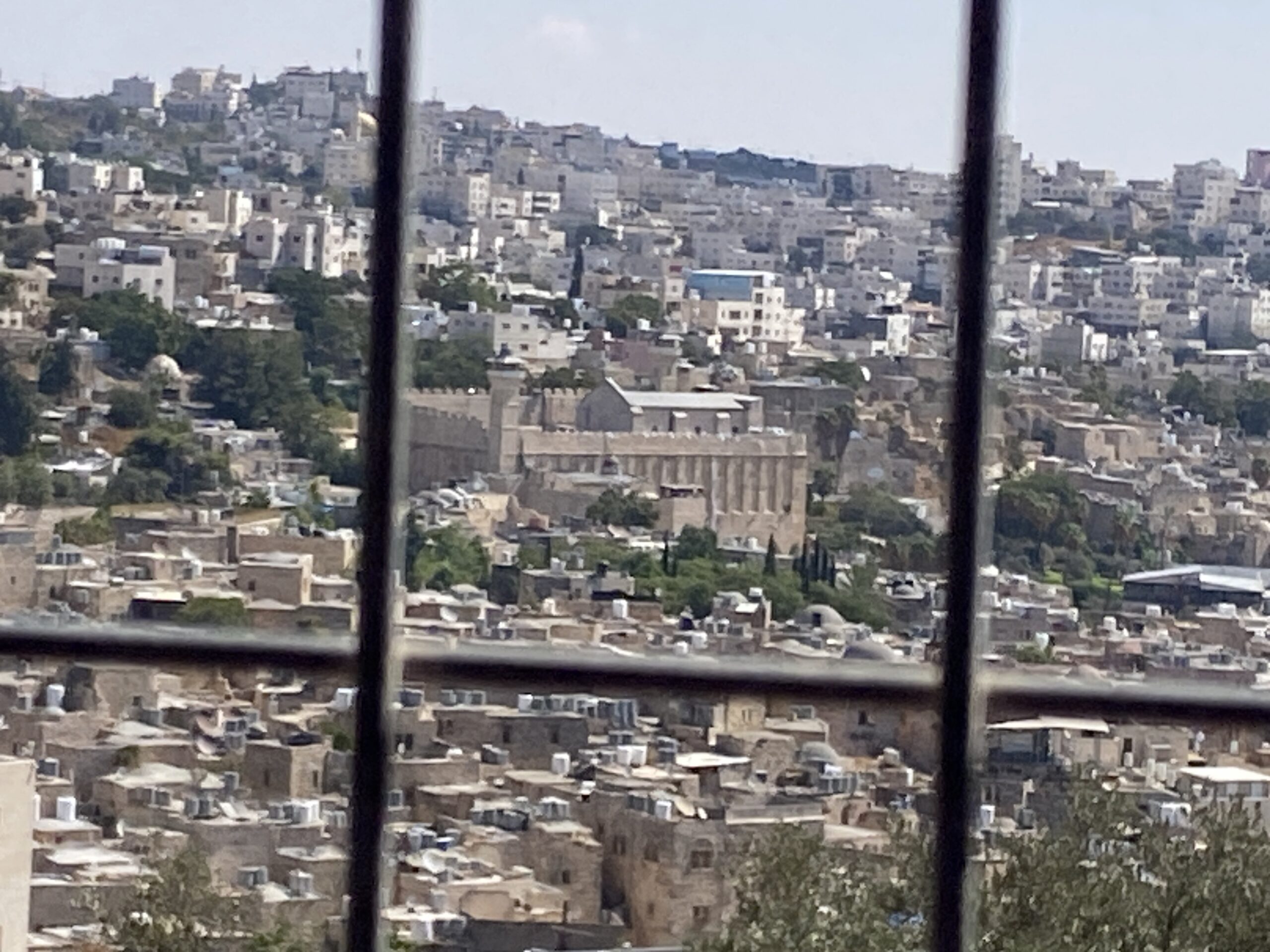 Yael ZoranSep-24-2026חברון ומערת המכפלה מבית השלום
-
