
Huwwara, Za’tara (Tapuah), יום ד’ 21.1.09, בוקר

Translation: Suzanne O.
There were times when we thought that the occupation was a good thing for the Palestinians, instead of driving from place to place, putting on weight and getting out of condition they are forced to get out of their vehicles at the roadblocks, to breathe fresh air while they walk from one side of the roadblock to the other. For youngsters it's really fun, by-passing the roadblocks via the hills gets them fit to join the Golani regiment.
Today we noticed that the army has added yoga lessons.
Za'atra roadblock
A vehicle with four youngsters in it is sent to the car park. Beside them are a trainer soldier and a guard. The trainer gets one of the youngsters out of the car, stands him behind the vehicle and, without a word, twists his arm behind his back towards his shoulder blades. Afterwards, again without a word, he parts the youngster's legs by kicking them. One kick to the right leg and then a kick to the left leg until the gap between the legs seems right to him. We went to stand a metre away from both of them. What are you doing here, growled the yoga trainer. I am watching. You are interfering with my work. If this is your work I am in favour of interfering. He continues to flex the youngster's inner hip and shoulder muscles. The guard tried to threaten us, shouted and demanded that we leave. We stuck to our guns and did not move. We asked what the youngster had done, why are you holding his arm behind his back like that. He hasn't done anything. It is a routine inspection. Another youngster from the car undergoes the same routine training in flexibility while we protest loudly. The other two occupants of the car were saved the routine inspection.
After the vehicle was released we tried to talk to them. We were met by murderous looks.
A bus is sent to the same car park. People get off the bus to smoke. There is a shout from the direction of the soldiers, everyone on the bus, everyone onto the bus quickly. They boarded slowly. A minute later a couple appear; a male and a female soldier who instruct all the men to get off the bus and turn right. They obey and turn right so they are all standing on the pavement. I said right, right shrieks the female soldier. But we are on the right. No! to the right behind the bus. They all pile up right, behind the bus. The soldiers continue to give orders and exercises in neatness. About 40 men from their twenties to their sixties, confused, humiliated, harassed, not understanding what is expected of them. After a number of minutes of left, right, and being pushed by the soldier, they are finally standing in a way the IDF thinks is suitable: a straight row alongside the bus. Now the couple goes to each man and orders him to perform the dance of the waving shirt. I produce a cell phone. The soldiers are alerted. Get away from here. Don't stand here. Don't take photos. I continue to photograph. Get out of here; we stay. While the Palestinians stand, astounded at the argument between us, something explodes inside me: the faces of the men, their helplessness, the violence of the previous routine inspection and I start to shout at the line, the straight line of Palestinians: I am ashamed of what I see, I want to apologise to each one of you. You don't deserve what they are doing to you. The soldiers are only children, they have received stupid orders and they are carrying them out; I feel that the veins in my forehead are bursting with anger. The female soldier, an Ethiopian, who later tells me that they deserve everything because of what they do to us, comes over to me like a nurse and asks what's the matter with you, why are you shouting, what are you ashamed of, but I do not calm down, I am ashamed of what you are doing. You are not doing it in my name. She nods and returns to the soldier and, together, they return – seemingly faster than they meant to – the ID cards to the Palestinians who, with a slight nod, thank us.
After a few more cars that have been held up in the car park are released, the queue at the roadblock disappears.
We left in the direction of Huwwara.
There is nothing particular happening at Huwwara and the sensation in our stomachs tells us that we should not have left Za'atra. After a quarter of an hour at Huwwara we returned to Za'atra. There is a queue of about 50 cars. We by-passed them and went to the car park. There is a red car which appears to have been born in the same year that I was born in which two women are crying bitterly. A young and an elderly woman. The son was taking the elderly woman to Ramallah for eye surgery. On the way back he committed some kind of traffic offence. He was stopped and fined. The son got angry and the soldiers handcuffed him, beat him and took him away. How much had happened at the roadblock during the short time we were at Huwwara. Now they are waiting for a driver from Beita to come and take their vehicle from the roadblock. Do us a favour, the mother says bitterly, he is my son, find out where they have taken him. The policeman who was there (there were two, the second one was busy with a prayer shawl and phylacteries, praying in the middle of the roadblock) said that he had been taken to Ariel and he would be released within a few hours.
Two soldiers came and asked the women to move the vehicle. We don't have driving licences said the women, a driver from Beita will arrive soon. Then tell him to hurry up and get this vehicle out of here because it is causing an obstruction. Half an hour later a young man comes on foot to the car park from Beita.
Five soldiers give instructions from eight different directions: get into the car, and he tries to explain, the soldier in the lookout post points his weapon and shouts: reverse, reverse I say, and the man approaches and tries to explain that he is the driver they are waiting for and that he has come on foot. No one crosses on foot screams the commander and the policeman, not the one with the phylacteries, runs in his direction and shouts at him to get into the vehicle. If they would only listen they would hear that he had come on foot to take the red vehicle away. The young woman runs to me, agitatedly, it's my brother; he has come to take the car. In the middle of the storm I went over to the commander to tell him that this is the driver they are waiting for to take away the car causing the obstruction. Now the commander has a problem, on the one hand he wants someone to come and take the car away, on the other hand, after all the shouting he can't let him just go there.
The solution was for the driver to get into a taxi parked nearby to take him 10 metres and then he can go to the red vehicle and relieve the roadblock of its presence!!!
On the way to Huwwara roadblock we bought some vegetables. I bought new potatoes, fresh ones which still had some earth on them. It made me laugh to think that I was taking Palestinian earth, the cause of the whole war, home with me.
חווארה העיר והמחסום
צפה בכל הדיווחים למקום זה-
מחסום חווארה הוא מחסום פנימי מדרום לעיר שכם, בצומת הכבישים 60 ו-5077 (בין ההתנחלויות ברכה ואיתמר). מחסום זה היה אחד מארבעת מחסומים הקבועים שסגרו על שכם (מחסומי בית פוריכ ועוורתא ממזרח ומחסום בית איבא ממערב). זה היה מחסום להולכי רגל בלבד. כמתנדבות מחסום ווטש, צפינו יום יום במהלך שתי משמרות, בוקר וצהרים, באלפי הפלסטינים היוצאים משכם ומחכים שעות בתורים כדי להגיע לכל מקום אחר בגדה, מהעבר השני לשל המחסום ניתן היה להגיע ליעד רק בתחבורה ציבורית.
בתחילת חודש יוני 2009, במסגרת הקלות על תנועת הפלסטינים בגדה נפתח המחסום לתנועת כלי רכב. המעבר היה חופשי, עם נוכחות צבאית במגדל השמירה ומדי פעם נעשות בדיקות של רכבים.לאחר פלישת החמאס והטבח בשמחת תורה ב 7.10.23 המחסום נסגר לתנועת פלסטינים
העיירה חווארה שוכנת בנפת שכם בשטח C; היא ממוקמת כ-8 ק"מ מדרום לשכם, ברום של 525 מטר מעל פני הים. תושבי העיירה (כ-7,000 ב-2017) הם מוסלמים, אך השם 'חווארה' משמר כנראה את השם חורון, אזור שהיה נפה שומרונית בימי עזרא ונחמיה. בסמוך לחווארה נמצאות ההתנחלויות הר ברכה, יצהר, איתמר, וכן המאחז גבעת רונן ומאחזים נוספים. בסמוך לעיירה ממוקמת חורבת אבו איסמאעיל, הלא הוא אברהם אבי ישמעאל (דוח מקאמים בגדה המערבית, עמ' 25-28). בתי ספר בחווארה משמשים כבתי ספר אזוריים לכפרי הסביבה, וכביש 60 המהווה עורק התחבורה העיקרי אל יישובי גב ההר עובר בעיירה. כביש "עוקף חווארה" הנסלל מאז 2021 מיועד להחליף את התוואי הנוכחי שעובר בלב העיירה. מסלול הכביש מתחיל בצומת תפוח (כביש חוצה שומרון) ועובר מזרחית לעיירה. הוא מיועד לשרת את היישובים יצהר והר ברכה שמצפון לעיירה ואת יישובי צפון השומרון.
מאז האינתיפאדה הראשונה יש חיכוכים קשים בין המתנחלים באזור ותושבי העיירה והכפרים הסמוכים. המתנחלים עוקרים עצי זית, משתלטים על אדמות מדינה ואדמות פרטיות של פלסטינים ויוזמים התקפות אלימות ופעולות "תג מחיר" בכפרים ובעיירה. במקרים רבים מיידים תושבים אבנים לעבר רכבי יהודים או כוחות צה"ל, והיו כמה ניסיונות ירי ואף ניסיון לינץ' במתנחלים החולפים ברכביהם בעיירה.
ב-26 בפברואר 2023 תקפו כ-400 מתנחלים את תושבי העיירה במשך 5 שעות והעלו באש רכוש, כגון בתים ומכוניות. הפרעות התרחשו בתגובה לפיגוע ירי שהתרחש באותו יום בעיירה, שבו רצח מחבל פלסטיני שני יהודים תושבי הר ברכה. עשרות מתושבי העיירה נמלטו מבתיהם כדי להינצל מהאש. פלסטיני אחד נורה למוות ועשרות נפצעו, בעיקר משאיפת עשן. גדוד מילואים וצוותי מג"ב שהיו מוצבים בעיירה לא מנעו את ההצתות וחילצו משפחות פלסטיניות מבתיהן רק לאחר שהוצתו. 6 מתנחלים נעצרו ושוחררו כעבור יום. השר האוצר סמוטריץ' הצהיר כי "מדינת ישראל צריכה למחוק את חווארה". מנגד – ארגוני שמאל ומרכז ארגנו הפגנות סולידריות ופעולות תמיכה בתושבי חווארה.
חווארה המשיכה להיות בכותרות בכל החודשים שאחרי: פוגרומים של המתנחלים, פיגועים של פלסטינים וחוזר חלילה, נוכחות מסיבית של הצבא בעיירה, ועוצר דה פקטו של המסחר והחיים במרכז העיר. ב-5.10.23 התרחש פיגוע ירי ללא נפגעים בצומת עינאבוס הסמוך לחווארה, ובעקבותיו הקים ח"כ צבי סוכות במרכז חווארה עוד באותו ערב סוכה, ומאות מתנחלים מגובים בצבא רב חסמו את הכביש הראשי וקיימו בלב העיירה תפילות כל הלילה ולמחרת. בשבת 7.10.23 החלה מלחמת "חרבות ברזל" בהתקפה של חמאס על יישובי עוטף עזה מול נוכחות דלה של צה"ל. ביקורת רבה ניתכה על הוצאת כוחות צבא מאזור עוטף עזה והצבתם בגדה, ובאזור חווארה והשומרון בפרט, כמגן למתנחלים המשתלטים ומתפרעים.
ב-12.11.23 נפתח קטע ראשון של כביש עוקף חווארה המיועד לתנועת ישראלים בלבד. כך יכולים המתנחלים לעקוף הכביש החוצה את מרכז חווארה, שהוא העורק המרכזי לתנועה מאזור שכם לרמאללה ולדרום הגדה. לצורך הקמת הכביש הפקיע המינהל האזרחי 406 דונם של אדמות פרטיות של פלסטינים מהכפרים הסמוכים. המתנחלים כרגע אינם מסתפקים בכך, ודורשים לנסוע גם דרך חווארה עצמה כדי להפגין נוכחות ושליטה.
(עדכון נובמבר 2023)
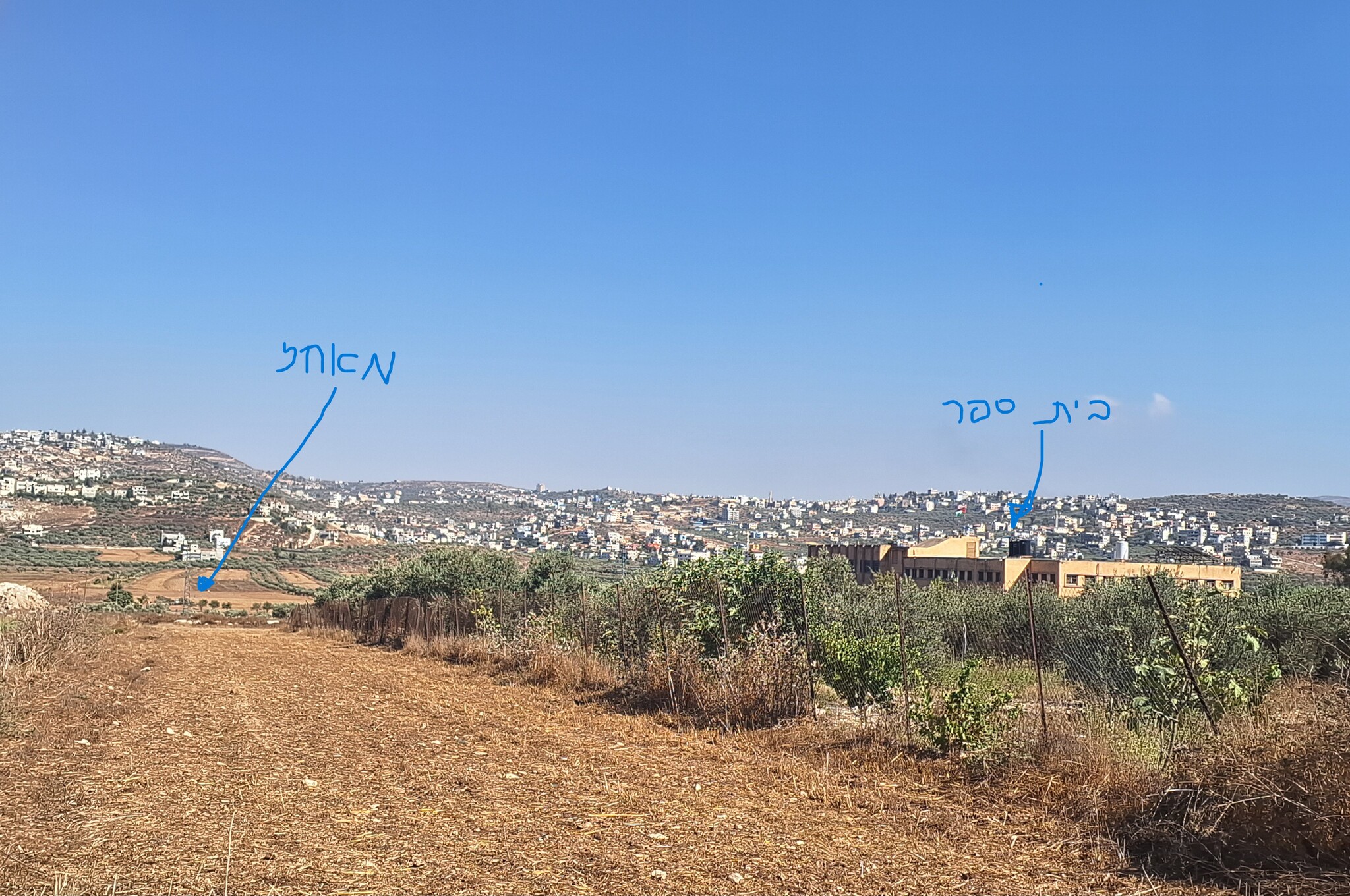 Ronit Dahan-RamatiAug-24-2026חווארה. בית הספר בפאתי העיירה ומאחז נחבא בין העצים
-
מחסום זעתרה (צומת תפוח)
צפה בכל הדיווחים למקום זה-
מחסום פנימי בלב הגדה, בצומת כביש 60 וכביש 505 (חוצה שומרון), ממזרח להתנחלות תפוח.
מחסום זה הוא "הגבול" שסימן צה"ל בין צפון הגדה לדרומה, בהתאם למדיניות הבידול בין שני חלקי הגדה שהונהגה מאז דצמבר 2005. במחסום עוברים כלי רכב והולכי רגל המחליפים רכב בצומת.במחסום זעתרה מסלולים נפרדים לישראלים ולפלסטינים. במסלול לישראלים אין בודקים ומסלול לפלסטינים בודקים. התור מתארך ומתקצר חליפות. המחסום, הפתוח 24 שעות ביממה, מאויש חלקית על-ידי הצבא. בדיקת העוברים במחסום נעשית באופן אקראי.
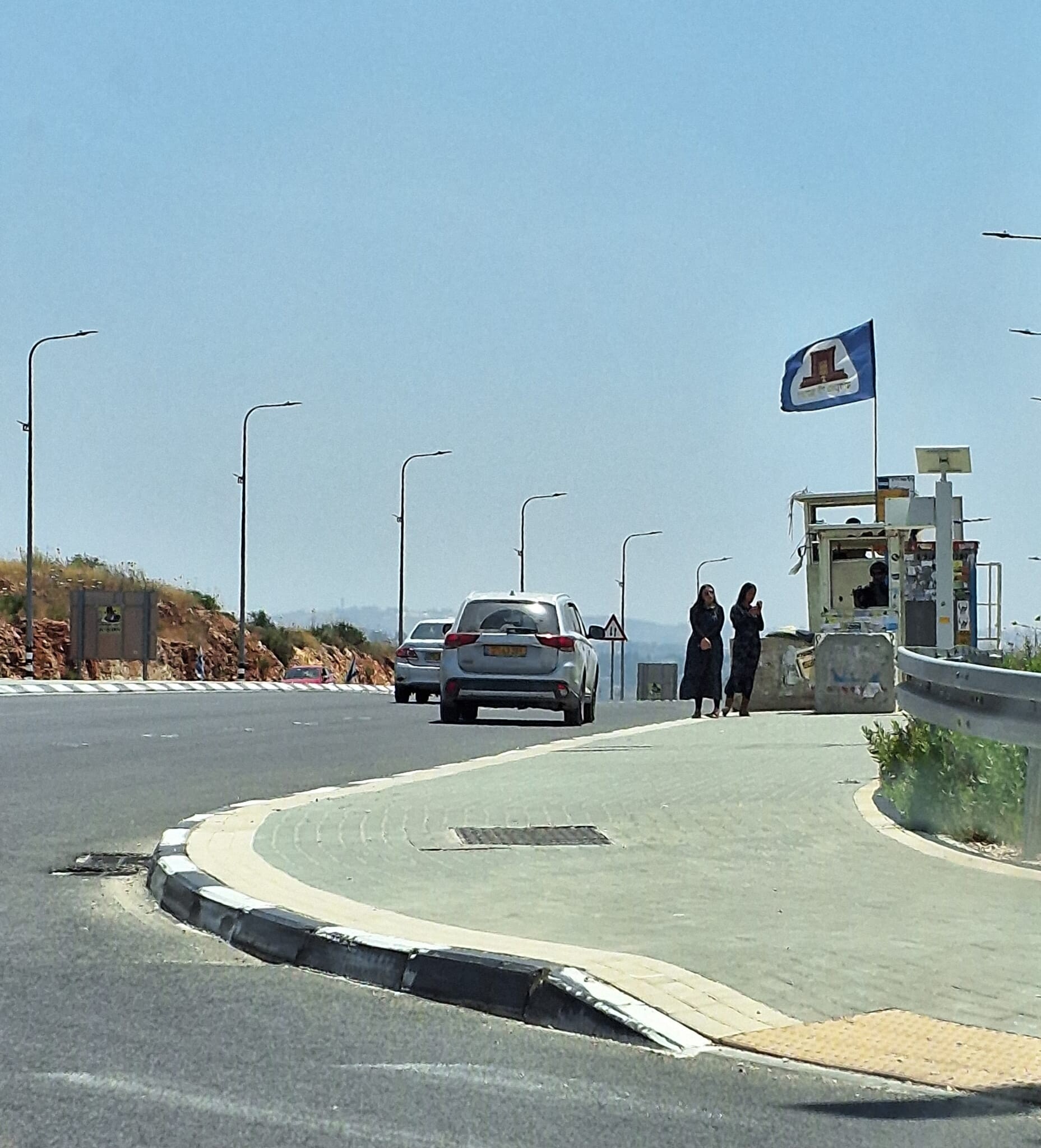 Ronit Dahan-RamatiJun-9-2026זעתרה (צומת תפוח). דגל המקדש מעל תחנה
-
