Beit Furik, Huwwara, Za’tara (Tapuah), Mon 17.11.08, Morning
6.50 The new road, part of road no.5, between Barkan and entrance of Ariel is now in use and the old road is closed off.
Summary:
stricter control at Za’tara. Border police opposite entrance of Beita. Idem on our way back at closed “entrance”(!)- road to Zeita. Nothing unusual at Bet Furik and Huwwara.
Marda: open at both gates. Local girl waiting for a lift westwards.
Zeita: closed (not by the metal barrier-gate but with concrete blocks and earth)
Za’tara (Tapu’ah):
7.10. Out of an autobus on its way direction Jerusalem, all passengers are standing in the parking lot, women and men in separate groups. We do not know how long they have been waiting before we arrived, but all luggage had already passed the soldier’s inspection and until all I.D’s are checked and all can board the bus again one by one, men after their usual “dance”: lifting shirt, lifting right trouser-leg, left trouser-leg, it takes some 20 minutes more.
A second autobus coming sometime later is much less intensively checked.
Also on the parking lot a private car is being thoroughly searched by the police dog. This takes about 10 minutes.
A few minutes later a second car: the same story.
A bus coming from the west and going direction Huwwara has to wait 10 minutes until all passengers descend, have their ID’s checked, wait some more until they can continue. (at least 20 min.) At our question why they are being checked there if they go to Huwwara were they can enter “undisturbed”, the soldier answers: “why is there a checkpoint ? To be checked…”
A minibus enters the parking lot; the checking procedure by the dog repeats itself.
All passengers wait outside the minibus; they tell us they come from Tulkarm-area at 6.00 o’clock in the morning, had to pass already 3 checkpoints and will have to go through 3 more until they arrive at Ramalla. (Time is money….)
Rather heavy traffic coming from Nablus. But cars pass easily. Two checking-lanes are working. One is being closed for some 15 min while the soldiers eat their breakfast.
Beita:
A border police car is standing opposite the entrance road to the village and its crew just leaves a metal-workshop there. We stop at the side of the road to have a look, but remember it is wise to back into the path that leads off the road, to avoid “breaking the law”. Apparently we did not do this fast enough in the eyes of one of the border-policemen. He tells us he will call the police to give us a fine for illegal parking. We decide to ignore his threat. An other older looking -“volunteer” as he tells us – border-policeman looks at the scene smiling and explains to us why they came out of the metalwork-shop. “I have been here already a few weeks, the shop is open but nobody seems to have work there. I just wanted to have a look.”
Beth Furik:
8.15 The regular coming and going.
A bus-driver, after passing the checkpoint coming from Nablus, stops in the middle of the road, calls us and complains that évery day, coming in the morning and leaving Nablus in the afternoon, all his passengers have to get off, walk through the checkpoint and get on again. This takes between 10 up till 30 minutes every time: twice a day, every day! We can understand his frustration, but cannot do very much about it, alas.
The “coffee kiosk” is growing but deserted: no business to be done.
Awarta:
9.00 The poster that “Thank MW women for their aid to the terrorists” hangs on the booth of the soldiers.
A truck from a small Arab village near Jerusalem brings milk-products to Nablus: back to back into a truck from Nablus as the driver does not have a entrance-permit to Nablus.
A large group of soldiers is at the shooting-range, opposite the road leading to the checkpoint; we decide to have a look there some other time.
Huwwara:
9.15 Did not see the dog-trainer girl with her dog.
X-ray truck is there (it disappears between 9.55 and 10.20)
The soldiers are deprived of their “Humanitarian station”. Standing, next to the X-ray truck, they have to eat their breakfast in public, from the concrete blocks.
On one of the checking booths we see the phone-no. of the “police mobile” (057-9278213).
Car-checking lane
A car of a “Palestinian Medical Relief Society” doctor (“co-workers” of the Israeli PHR organization) is not allowed to pass as the car is rented and has no permit. He is amazed and annoyed: he passes here frequently and the soldiers know him.
We hear later that at Beut Iba they made no problems. We regret that we mention this to the DCO representative, A., who we found reasonable most of the time. He immediately calls Beit Iba and tells them they should work according to the rules. He seems not sensitive to our doubts that an MD would be a terrorist.
A driver with a blue ID is allowed to pass: she is a Shomronit.
3 bank-employers from Ramalla on their way to their branch in Nablus, may not enter with their car as the permit expired 3 days ago. Long live bureaucracy!!
There is hardly any traffic coming out of Nablus.
Pedestrian lanes
There are two pedestrian lanes open + the “humanitarian”-lane. Very few Palestinians are there.
Recognizing him as a tourist, as he has problems finding the way to the X-ray truck, we talk to a gentle British peace-worker. He came here for the 6th time and tells about his impression that Nablus has really become a jail. “People do no longer make the effort traveling as all the checkpoints make movement so difficult. Many people are unemployed. Sad, sad” says he. Don’t we know it all?!! He asks the website address of Machsom Watch.
We leave at 11.00.
On our way back we stop at the Zeita road as we see there border-police personnel (1 woman, 3 men). The reason for them being there is not clear:
An Israeli (arab?) driver: “They are checking IDs”
Border-police: “We are waiting for our car to pick us up”.
Whatever….. we see no use in staying.
06:50 הכביש החדש, חלק מכביש מספר 5 שבין ברקן והכניסה לאריאל הוא עתה בשימוש והכביש הישן חסום.
סיכום:
בדיקה מחמירה יותר בזעתרה. משמר הגבול ממול לכניסה לביתא. כנ”ל בדרכנו חזרה ליד כביש “הכניסה” החסום לזיתא. שום דבר מיוחד בבית פוריכ וחווארה.
מרדה: שני השערים למרדה פתוחים. בחורה מקומית מחכה לטרמפ מערבה.
זיתא: השער סגור (לא על ידי שער המחסום ממתכת אלא עם בלוקים של בטון ואדמה).
זעתרה (תפוח):
07:10 כל נוסעי אוטובוס שהיה בדרכו לירושלים עומדים במגרש החניה, גברים ונשים בקבוצות נפרדות. איננו יודעות כמה זמן הם מחכים עד לבואנו, כל המטען כבר נבדק על ידי החיילים אך עד שכל תעודות הזהות נבדקו ועד שכולם הורשו לעלות שוב אל האוטובוס, אחד אחד, הגברים אחרי “הריקוד” הרגיל שלהם: הרמת החולצה, הרמת המכנס הימני, הרמת המכנס השמאלי, עברו עוד כ-20 דקות. אוטובוס שני המגיע זמן מה אחרי זה נבדק בצורה הרבה פחות קפדנית. במגרש החניה יש מכונית פרטית הנבדקת בצורה יסודית מאד על ידי כלב משטרה. זה לוקח כ-10 דקות. כמה דקות אחרי זה מגיעה מכונית שנייה: אותו הסיפור.
אוטובוס המגיע מן המערב ופניו מועדות לכיוון חווארה נאלץ לחכות 10 דקות עד אשר כל נוסעיו יורדים, תעודות הזהות שלהם נבדקות, וכעבור כ – 20 דקות הם מורשים להמשיך. לשאלתנו מדוע הם נבדקים פה אם הם נוסעים לחווארה שאליה הם יכולים להיכנס “ללא הפרעה”, עונה החייל: “למה מחסום? כדי להיבדק…”.
מיניבוס נכנס למגרש החניה, תהליך הבדיקה על ידי הכלב חוזר על עצמו. כל 11 הנוסעים מחכים מחוץ למיניבוס. הם אומרים לנו שהם באים מאזור טול כרם, שיצאו בשעה 06:00 בבוקר, שהיה עליהם לעבור 3 מחסומים עד עכשיו ושככל הנראה יהיה עליהם לעבור עוד שלושה עד שיגיעו לרמאללה (זמן הוא כסף…).
התנועה משכם כבדה למדי. אולם המכוניות עוברות בקלות. שני מסלולי בדיקה בפעולה. מסלול אחד נסגר למשך כ-15 דקות בזמן שהחיילים אוכלים את ארוחת הצהריים שלהם.
ביתא:
מכונית של משמר הגבול עומדת מול הכניסה לכפר והצוות שלו עוזב בדיוק עכשיו את בית המלאכה למתכת שם. אנו עוצרות בצד בדרך כדי להעיף מבט אך זוכרות שנבון יותר לסגת לשביל שיוצא מן הכביש כדי להימנע מ”עבירה על החוק”. ככל הנראה לא נסוגונו מספיק מהר לפי דעתו של אחד מחיילי משמר הגבול. הוא אומר לנו שהוא יזעיק את המשטרה כדי לתת לנו קנס על חנייה בלתי חוקית. אנו מחליטות להתעלם מן האיום שלו.איש מבוגר יותר, “מתנדב” (כפי שהוא מספר לנו), מסתכל על זירת ההתרחשות בחיוך ומסביר לנו מדוע הם יצאו מבית המלאכה למתכת. “אני נמצא כאן כבר כמה שבועות, החנות פתוחה אך נראה שאיש אינו עובד בה. פשוט רציתי להציץ ולראות מה קורה שם”.
בית פוריכ:
08:15 ההתנהלות כרגיל.
נהג אוטובוס, לאחר שעבר את המחסום ביציאה משכם. נעצר באמצע הכביש, קורא לנו ומתלונן שכל יום, בבואו בבוקר ובעזבו את שכם אחרי הצהריים, כל נוסעי האוטובוס שלו מצווים לרדת, לעבור רגלית את המחסום ולחזור ולעלות שנית. הדבר הזה אורך בין 10 ל-30 דקות בכל פעם, פעמיים ביום, כל יום! אנחנו יכולות להבין את התסכול שלו, אך לצערנו לא יכולות לעשות הרבה בנדון. “קיוסק הקפה” גדל אך שומם: אי אפשר לנהל עסק.
עוורטא:
09:00 השלט שבו כתוב “תודה לנשות מחסום ווטש על עזרתן למחבלים” תלוי על תא החיילים.
משאית הבאה מכפר קטן ליד ירושלים מביאה מוצרי חלב לשכם: גב אל גב אל תוך משאית משכם, מאחר שלנהג אין אישור כניסה.
קבוצה גדולה של חיילים נמצאת במטווח הירי מול הכביש המוביל למחסום. אנו מחליטות לבדוק מה קורה שם בפעם אחרת.
חווארה:
09:15 לא ראינו את מאלפת הכלבים עם כלבה. משאית השיקוף נמצאת (היא נעלמת בין 09:55 ל-10:20). “התחנה ההומניטארית” נשללת מן החיילים והם נאלצים לאכול את ארוחת הבוקר שלהם בשטח הפתוח ובעמידה ליד משאית השיקוף, כשהיא מונחת על הבלוקים מבטון.
על אחד מתאי הבדיקה אנו רואים את מספר הטלפון הנייד של המשטרה (0579278213).
מסלול בדיקת מכוניות
מכוניתו של רופא של ה”אגודה הפלשתינאית לסעד רפואי” (המשתפת פעולה עם הארגון הישראלי לזכויות האדם של הפלשתינאים) אינה מורשית לעבור מאחר שהמכונית שכורה ואין לה רישיון כניסה. הוא מלא תדהמה ומרוגז: הוא עובר כאן לעיתים קרובות והחיילים מכירים אותו. אנו שמעות מאוחר יותר שבבית איבא לא עשו בעיות. אנו מצטערות על כך שאנו מספרות את העניין לנציג המת”ק, א., שמצאנו אותו בדרך כלל אדם סביר והגיוני. הוא מצלצל מיד לבית איבא ואומר להם שעליהם לעבוד על פי הכללים. דומה שהוא אינו מסכים עם ספקותינו שרופא יכול להיות מחבל.
נהגת עם תעודת זהות כחולה מורשה לעבור: היא שומרונית.
שלושה פקידי בנק מרמאללה בדרכם לסניף שלהם בשכם אינם מורשים לעבור עם המכונית בה הגיעו,תוקף רישיון הרכב פג לפני 3 ימים. תחי בירוקרטיה!
אין כמעט תנועת מכוניות משכם.
מסלולי הולכי רגל
פתוחים שני מסלולים להולכי רגל ובנוסף המסלול ה”הומניטארי”. יש מעט מאד פלשתינאים כאן.
אנו מדברות עם פעיל שלום בריטי, שאנו מזהות שהוא תייר משום שיש לו בעיות למצוא את דרכו למשאית השיקוף. הוא הגיע הנה זו הפעם השישית ומספר על הרושם שקיבל, ששכם הפכה ממש לבית סוהר. “אנשים לא עושים יותר את המאמץ לנוע ממקום למקום משום שמחסומים מקשים מאד על התנועה. הרבה אנשים מחוסרי עבודה. עצוב, עצוב” הוא אומר. האם אנו לא יודעות את כל זה?! הוא מבקש את כתובת האתר של מחסום ווטש. אנו עוזבות בשעה 11:00.
בדרכנו חזרה אנו עוצרות בכניסה לביתא מאחר ואנו רואות שם צוות של משמר הגבול (אישה אחת, שלושה גברים).
הסיבה שהם נמצאים כאן לא ברורה.
נהג ישראל (ערבי?): “הם בודקים את תעודות הזהות”.
משמר הגבול: “אנו מחכים למכונית שלנו שתבוא לאסוף אותנו.
מה שלא יהיה…אנו לא מוצאות שיש טעם להישאר.
Beit Furik checkpoint
See all reports for this place-
One of the three internal checkpoints that closed on the city of Nablus - Beit Furik to the east, Hawara to the south, Beit Iba to the west. The checkpoint is located at the junction of Roads 557 (an apartheid road that was forbidden for Palestinians), leading to the Itamar and Alon Morea settlements and Road 5487. The checkpoint was established in 2001 for pedestrians and vehicles; The opening hours were short and the transition was slow and very problematic.Allegedly, the checkpoint is intended to monitor the movement to and from Nablus of the residents of Beit Furik and Beit Dajan, being the only opening outside their villages. Since May 2009 the checkpoint is open 24 hours a day, the military presence is limited, vehicles can pass through it without inspections, except for random inspections. (Updated April 2010)
-
Beta
See all reports for this place-
Beta is a town of 12,000 people, high unemployment rate. Many work in Israel, others in agriculture. Neat ornamental system. Unemployment is high. Young people, even the educated, are forced to look for work in Israel. Medical services are available once a week.
Settlers from Yitzhar and Itamar harass residents frequently and prevent them from cultivating their fields: Permits are required from the DCO / DCL / DCL / DCL to go to work.
-
Huwwara
See all reports for this place-
The Huwwara checkpoint is an internal checkpoint south of the city of Nablus, at the intersection of Roads 60 and 5077 (between the settlements of Bracha and Itamar). This checkpoint was one of the four permanent checkpoints that closed on Nablus (Beit Furik and Awarta checkpoints to the east and the Beit Iba checkpoint to the west). It was a pedestrian-only barrier. As MachsomWatch volunteers, we watched therre since 2001 two shifts a day - morning and noon, the thousands of Palestinians leaving Nablus and waiting for hours in queues to reach anywhere else in the West Bank, from the other side of the checkpoint the destination could only be reached by public transport. In early June 2009, as part of the easing of Palestinian traffic in the West Bank, the checkpoint was opened to vehicular traffic. The passage was free, with occasional military presence in the guard tower. Also, there were vehicle inspections from time to time. Since the massacre on 7.10.2023, the checkpoint has been closed to Palestinians.
On February 26, 2023, about 400 settlers attacked the town's residents for 5 hours and set fire to property, such as houses and cars. Disturbances occurred in response to a shooting of two Jewish residents of Har Bracha by a Palestinian Terrorist. The soldiers stationed in the town did not prevent the arson and rescued Palestinian families from their homes only after they were set on fire. No one was punished and Finance Minister Smotrich stated that "the State of Israel should wipe out Hawara." Left and center organizations organized solidarity demonstrations and support actions for the residents of Hawara.Hawara continued to be in the headlines in all the months that followed: more pogroms by the settlers, attacks by Palestinians and a massive presence of the army in the town. It amounted to a de facto curfew of commerce and life in the center of the city. On October 5, 2023, MK Zvi established a Sukkah in the center of Hawara and hundreds of settlers backed the army blocked the main road and held prayers in the heart of the town all night and the next day. On Saturday, October 7, 23 The "Swords of Iron" war began with an attack by Hamas on settlements surrounding Gaza in the face of a poor presence of the IDF. Much criticism has been made of the withdrawal of military forces from the area surrounding Gaza and their placement in the West Bank, and in the Hawara and Samaria region in particular, as a shield for the settlers who were taking over and rioting.
On November 12, 2023, the first section of the Hawara bypass road intended for Israeli traffic only was opened. In this way, the settlers can bypass the road that goes through the center of Hawara, which is the main artery for traffic from the Nablus area to Ramallah and the south of the West Bank. For the construction of the road, the Civil Administration expropriated 406 dunams of private land belonging to Palestinians from the nearby villages. The settlers are not satisfied with this at the moment, and demand to also travel through Hawara itself in order to demonstrate presence and control.(updated November 2023)
. Shoshi AnbarMay-18-2025Huwara: The old houses in Area C
-
Za'tara (Tapuah)
See all reports for this place-
Za'tara (Tapuah) Za'tara is an internal checkpoint in the heart of the West Bank, at the intersection of Road 60 and Road 505 (Trans-Samaria), east of the Tapuah settlement. This checkpoint is the "border" marked by the IDF between the north and south of the West Bank, in accordance with the policy of separation between the two parts of the West Bank that has been in place since December 2005. At the Za'tara checkpoint, there are separate routes for Israelis and Palestinians. In the route for Israelis, there are no inspections and the route for Palestinians inspects. The queue lengthens and shortens suits. The checkpoint is open 24 hours a day. The checkpoint is partially staffed and the people who pass through it are checked at random.
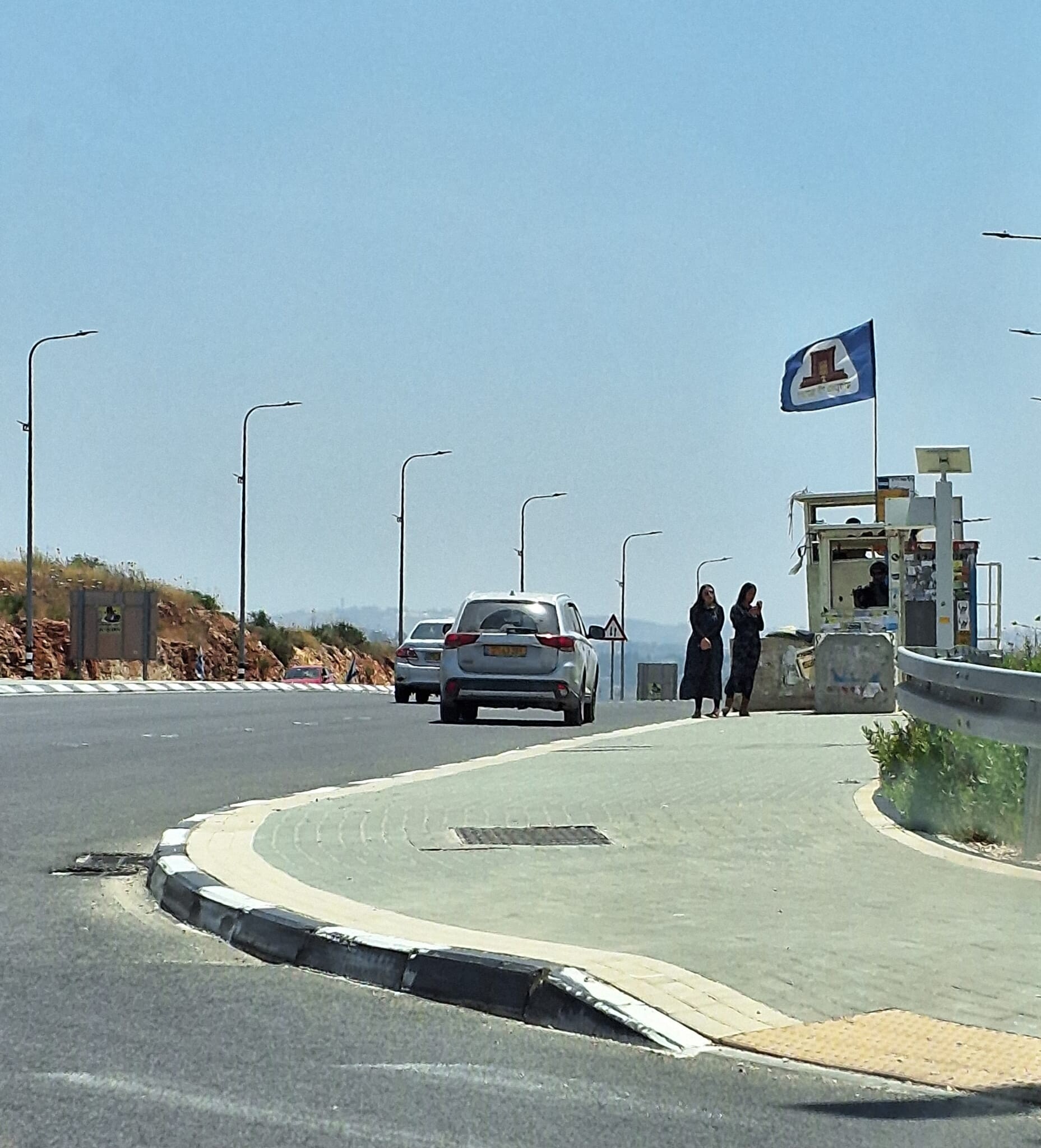 Ronit Dahan-RamatiJun-9-2026Za'atara (Tapuach Junction). The Temple Flag Above a Station
-