
Bethlehem surround: All entrances from the east continue to be closed to vehicles
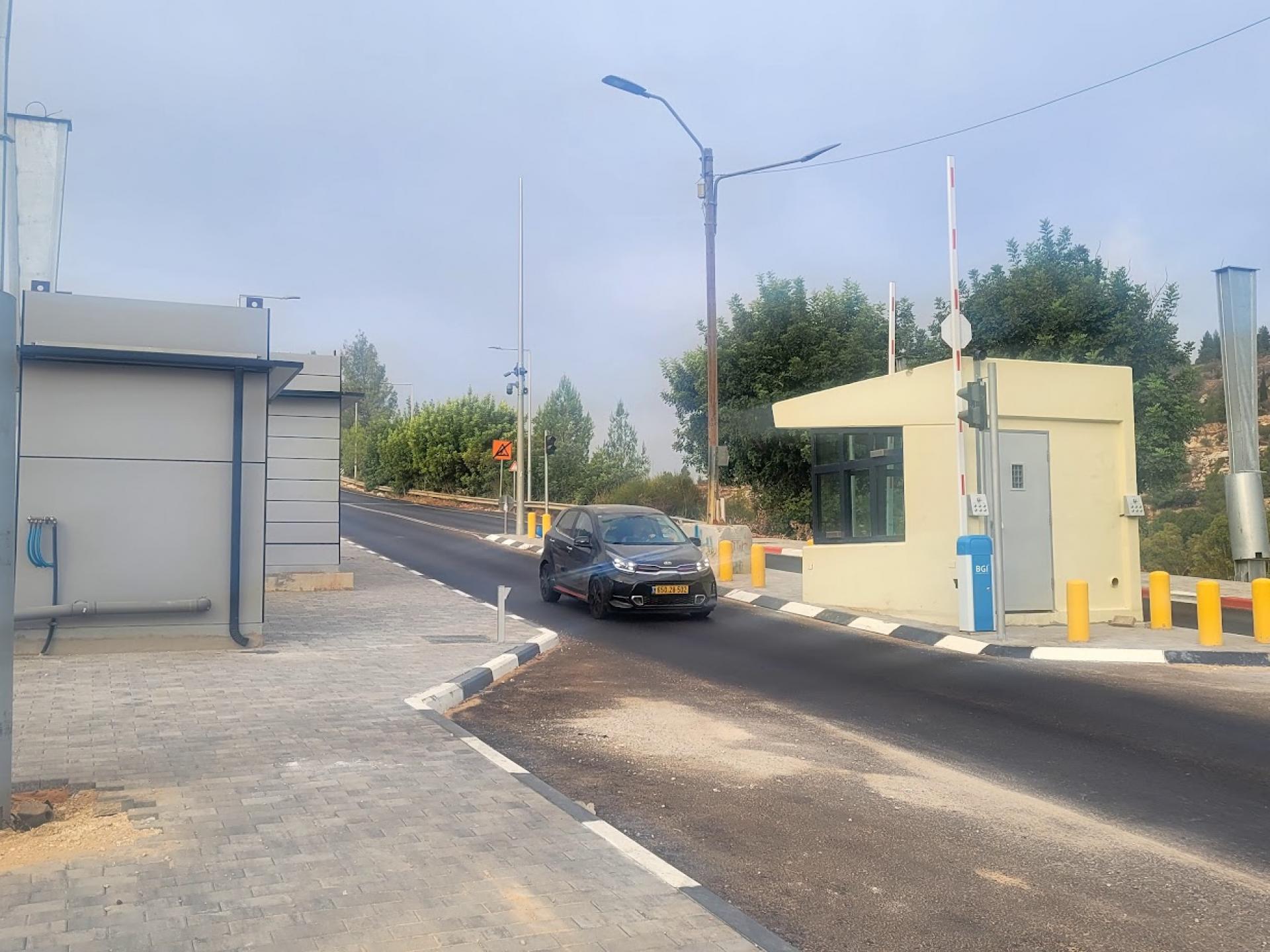
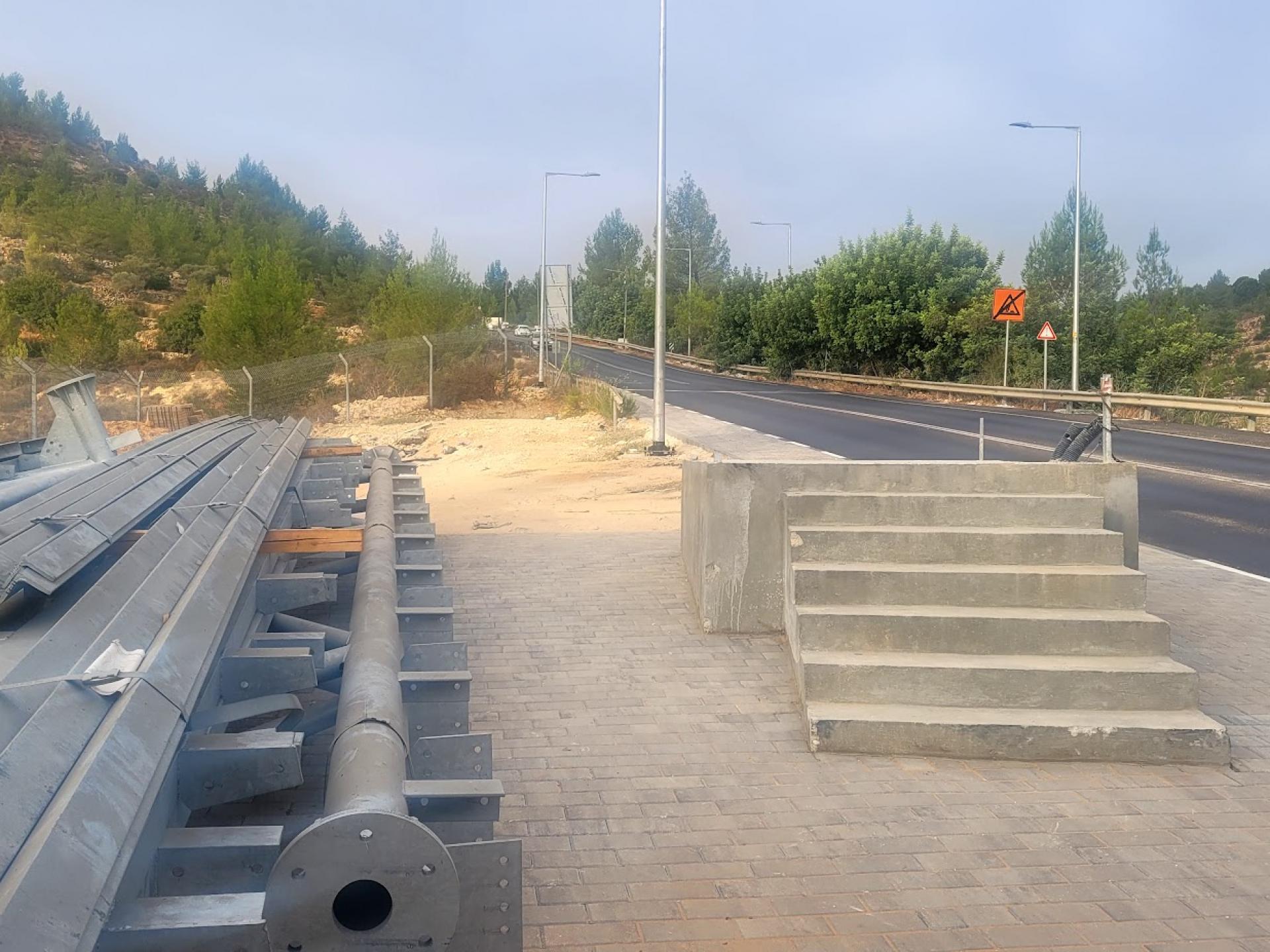
The new al-Walaja checkpoint is almost ready for the operation of blocking Palestinians from reaching al-Haniyeh springs area, which was used by the residents of the nearby village for folk celebrations and traditional ceremonies. This also includes the residents of Al-Walaja who did not receive blue cards. The 1,200 dunams of the village farmers’ land are around the spring. Traffic to them is also blocked by the separation barrier that surrounds the village, with the exception of entering for cultivation once or twice a year.
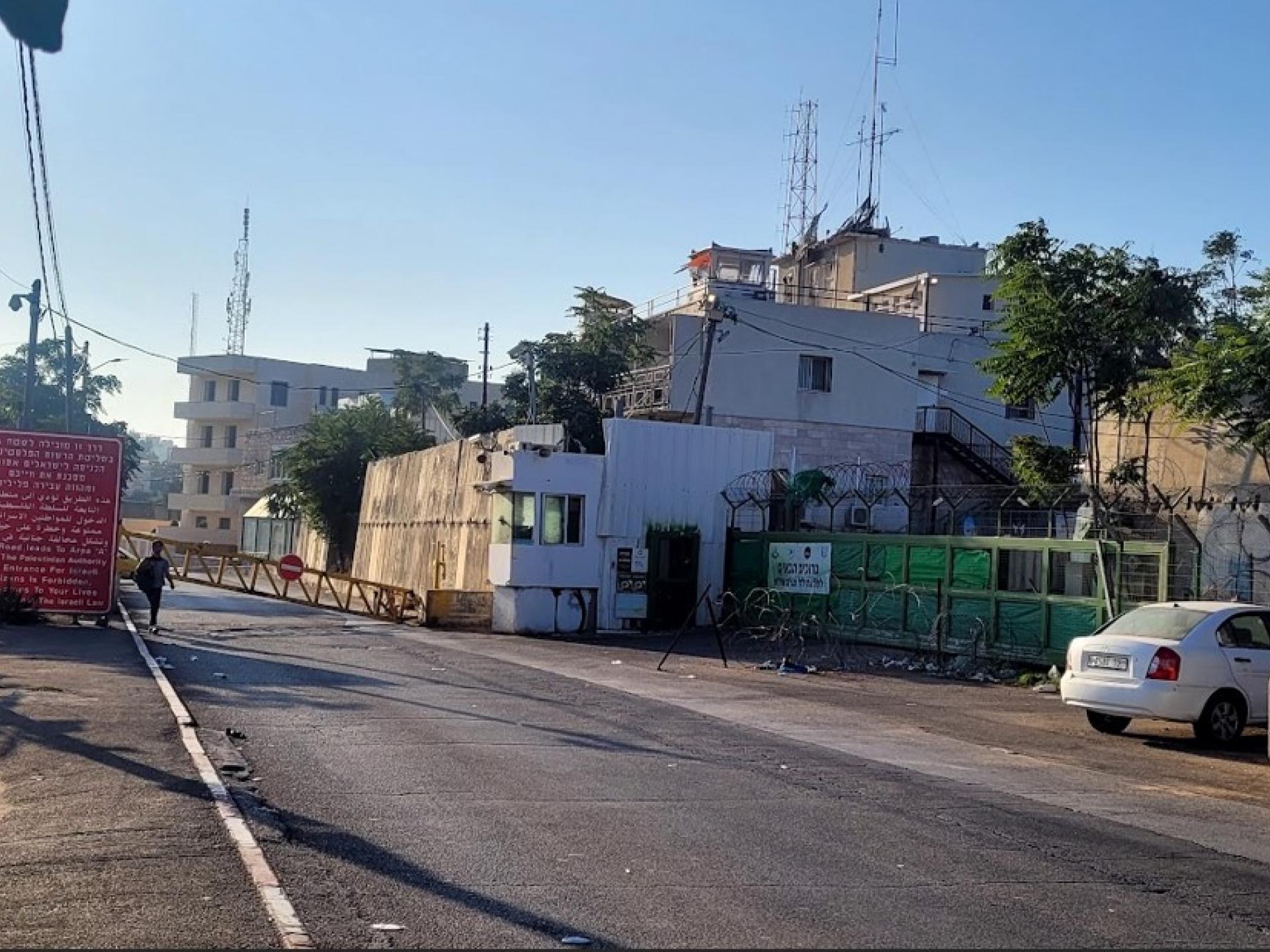
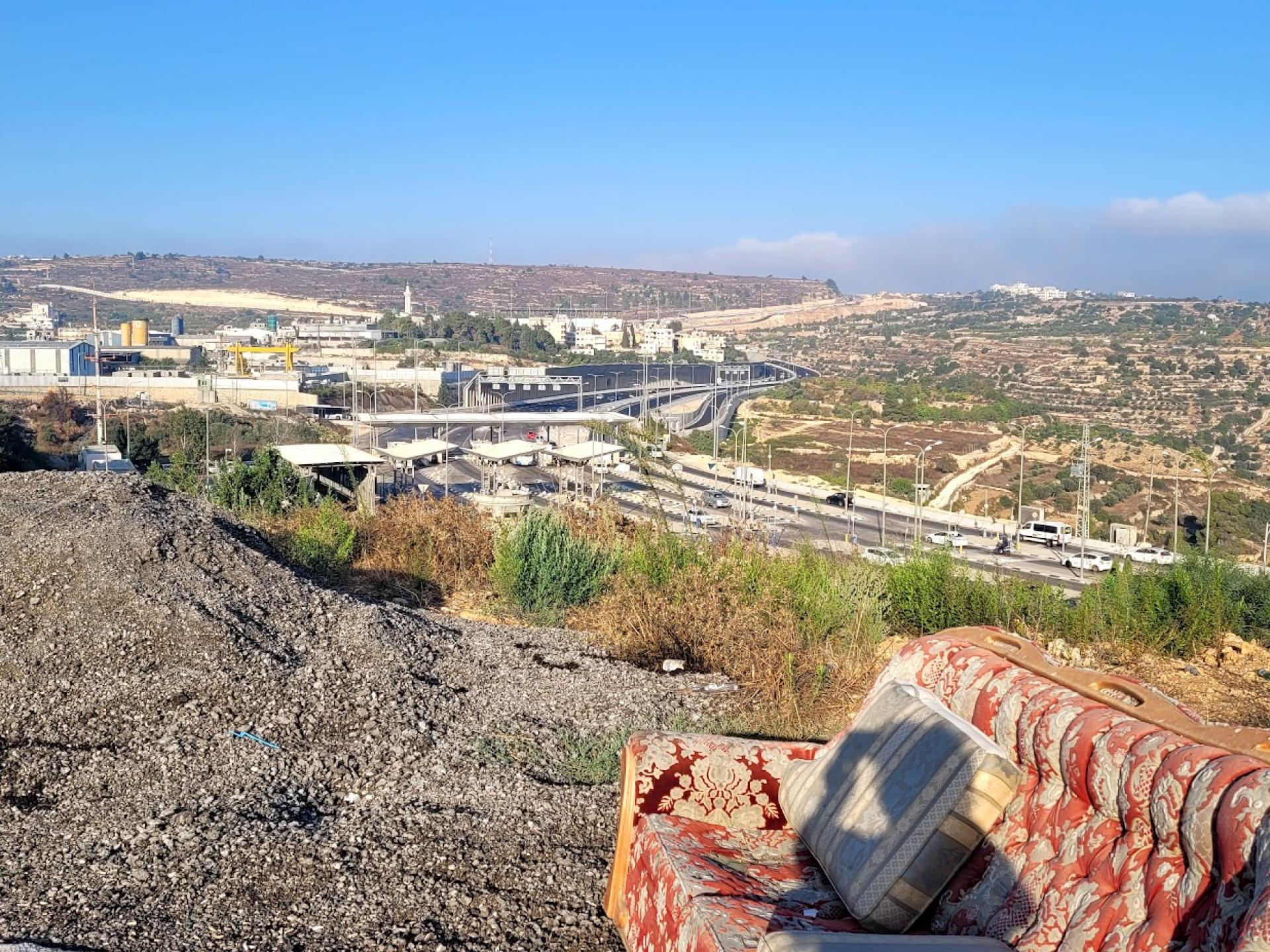
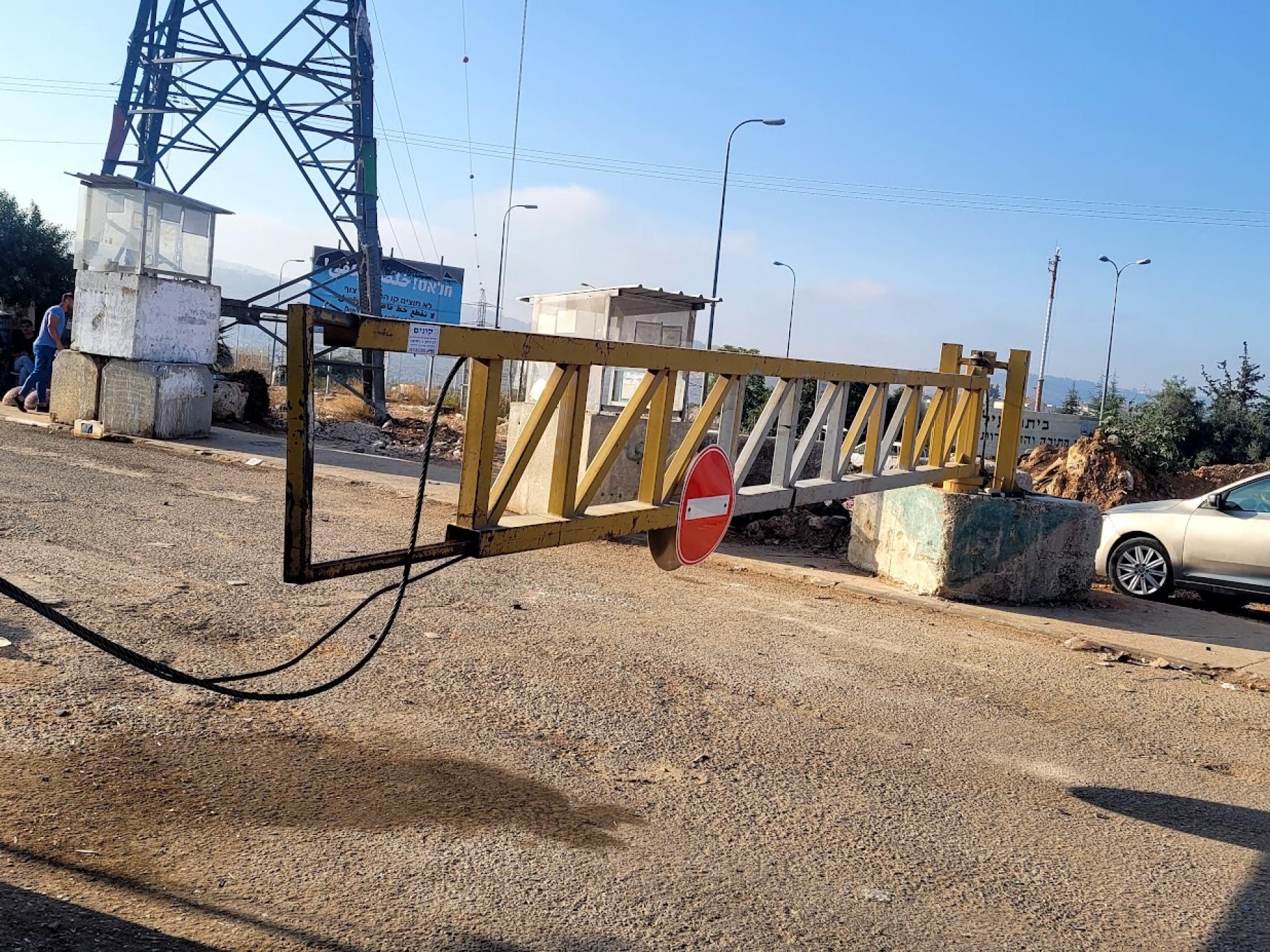
The old checkpoint is located beyond the turnoff towards the springs and all the village inhabitants can still reach the national park. But since al-Haniyeh springs were renovated under the auspices of the Refaim River Park, most of those enjoying the spring’s pools and its fruit trees are religious Jews, mostly orthodox.
We ascended along the beautiful road (3755) overlooking the Batir Terraces and the old train tracks to Jerusalem, then passed by al-Walaja village and its adjacent Har Gillo settlement and reached the “X-Junction checkpoint/ DCO”, which is the checkpoint west of Beit Jala towards Bethlehem. According to passers by this checkpoint is now totally closed. Above it is a large house blocked by a concrete wall and on its roof a military stand.
We continued on road 3755 over 60 which is getting wider and wider and we got a spectacular view of the Tunnel Checkpoint where only blue card holders can pass.
We connected to the tunnel road and then to road 375 leading to Beitar Illit.
We intended to go to Hussan and the Batir area to see some of the checkpoints that appear on the map from the excellent report by the Kerem Navot organization Israeli Checkpoint – How Israel took over the Bethlehem area. We also learned last week that Israel is establishing a future outpost/settlement in the Batir Terraces area, which are a heritage site Globally protected. We wanted to see how passage to this area takes place for the Israelis.
The only entrance from road 375 to the area we wanted to reach (which is by the way area B and C), is through the Hussan checkpoint, which has been closed to vehicles since the war. The other entry is only from the Nashash checkpoint through Daheisha and Bethlehem which are areas A and we are prohibited from entering.
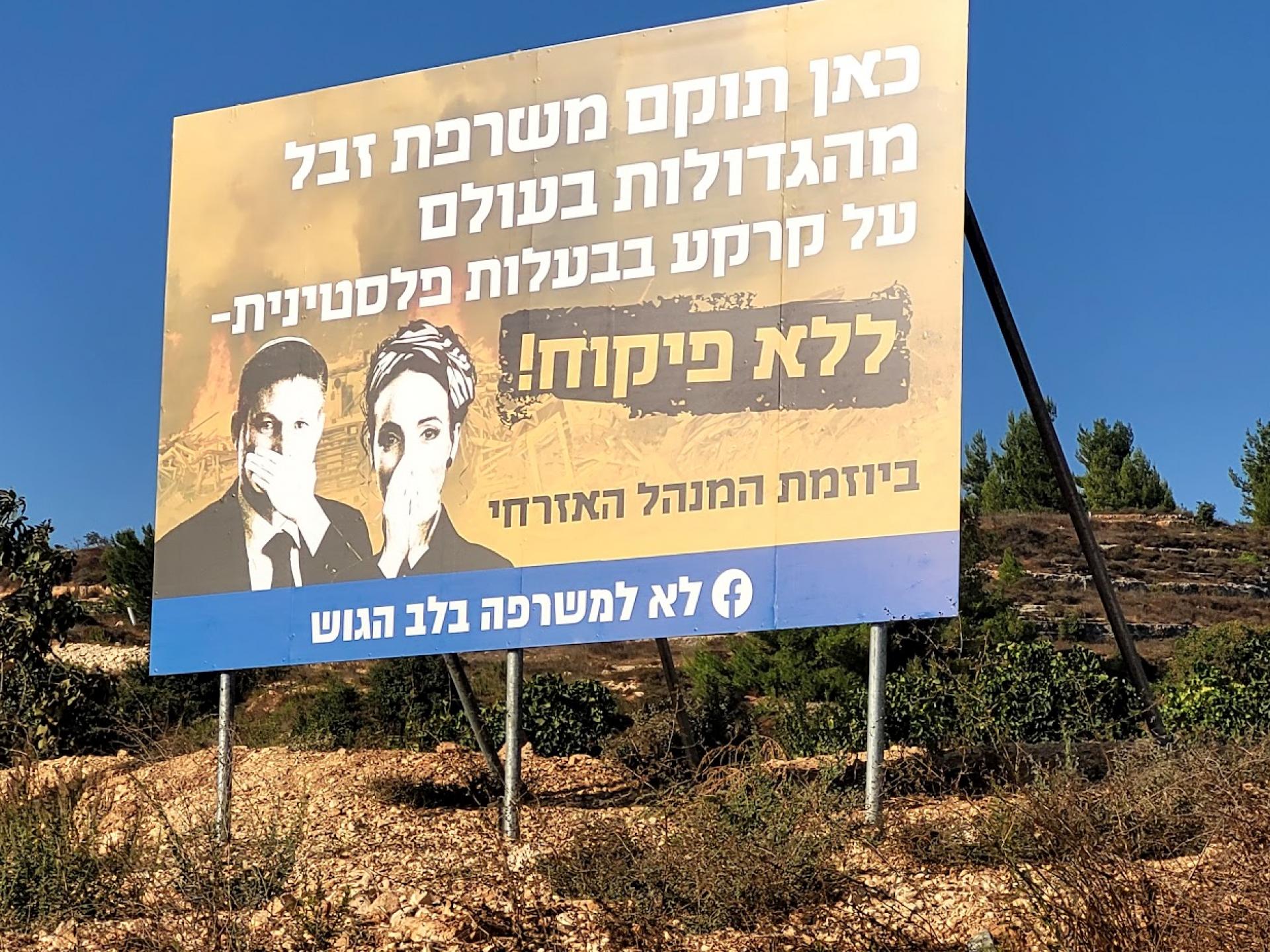
We returned to road 60 and at the junction took a photo fo this surprising sign which says: “Here will be built one of the world’s largest trash incineration plants on Palestinian-owned land. With no Oversight (supervision). A Civil Administration initiative.” and bellow: “Say no to the Incinerator!”
Is the problem the Palestinian ownership, or the fact that it will be “unsupervised” (by whom?) and will the smell bother only the settlers represented on the sign? And how is the civil administration so treacherous? There is a story here, but we decided not to delve into it…
Because of the change of plan, we decided to go to see the Sheikh Abdullah Ibrahim checkpoint in Efrat Mizrah (Wadi Rahal). The gate to the road leading to it has been closed since the war. We wanted to see if there was still a slave market run there, not by the army, but by the local civilian security officer. Have the residents of Efrat managed learn to live without the cleaners and construction workers? And how do the workers get there anyway…we also thought of dropping by to see the wild outpost of Eitam Hill and the nearby village where a week ago the outpost residents rioted and killed one person.
All along the way we saw feverish activity in the expansion of road 60. I wish we had such diligence on the Arava road or in the establishment of public transport routes within the green line.
We received driving directions with a map from Hagit Ofran (Peace Now), but after circling the beautiful village of Jorat al-Sham’a, we received instructions from residents and still found ourselves back at the entrance through which we came in, so we decided to give up. It is probable that the laborers and cleaners come to Efrat as usual. The settlements are the only place where they are allowed to make a living, and they were and are the driving force behind the massive construction boom in the West Bank. tragedy.
On our way back to the Tekoa intersection there were two checkpoints and soldiers with drawn guns. On road 356 from Tekoa to Jerusalem, every few kilometers we encountered concrete barriers numbered for setting up military stands. All entrances from the east towards Bethlehem continue to be closed to vehicles.
Al-Walaja
See all reports for this place-
Al-Walaja
A checkpoint for vehicles, located on the Green Line, in Nahal Refaim National Park. Staffed by Border Police and private security companies and active 24 hours a day. Palestinians are not allowed to cross, except for residents of East Jerusalem. Preparations are made to move the checkpoint so that The Ein Haniya spring, which has been used by the villagers for generations, will be permanently blocked for Palestinians, as will the the access to the 1,200 dunams of their surrounding agricultural land. Machsomwatch has been in contact with the people of village and reported on their changing situation over the years. (See the link to the reports)
Part of the village is in the municipal territory of Jerusalem drawn after 1967. In 2009 the village was surrounded by a separation barrier (mostly a wall) and then demolitionx of houses in the Jerusalemite part were carried out due to lack of building permits (but the fact is that no outline plan was prepared for the village, therefore it is impossible to get any permit for construction). In 2018, a petition was submitted to stop the demolitions, and it was agreed that the village, with the help of the organizations "Bimkom" and "Ir Amim" will prepare an outline plan, while the demolitions orders will be freezed. Despite the fact that the approval process is underway and soon to be discussed in court, a decision was approved in August 2023 to demolish 6 houses immediatly . Protest actions by inhabitants and various organizations, including Machsomwatch are now taking place to cancel this decree.
updated to August 2023
-
Tunnels CP
See all reports for this place-
Tunnels CP
A checkpoint on Road 60, west of the entrance to Beit Jala. The checkpoint is manned by the army, Border Police and private security companies. Palestinian crossing is prohibited, except for residents of East Jerusalem.
-
