
Hamra (Beqaot), Ma’ale Efrayim, Za’tara (Tapuah), Mon 9.9.13, Morning
Translator: Charles K.
At dusk on Thursday, as the Jewish New Year holiday began, two soldiers in a jeep came to the K. family, Bedouin from the northern Jordan Valley, who has nine children. They ordered everyone out of their tents, entered, turned everything upside down, threw their meager possessions everywhere: mattresses, bedclothes, clothing, dishes, pots and pans. And all without a word, under cover of darkness (the Bedouin aren’t connected to the electric grid). When the frightened people asked for an explanation they were silenced – Shhh….Shhh… Finally, the soldiers left. The same night they subjected a neighboring family to a similar pogrom.
What’s going on here? The family doesn’t know who the soldiers are. It’s not part of a dispute. It wasn’t done in anger. Someone sent the soldiers, during the holiday, when most officers and soldiers are on leave. Who gave the order? Or, perhaps – who made the request? And what message did they want to send the Bedouin?
The Bedouin didn’t complain. To whom could they complain? About a year ago, one of K.’s sons was badly beaten by the security coordinator of the Rotem settlement. There were witnesses (Jews). There was a medical report from the hospital. A complaint was submitted to the police. A year later the family was notified the file had been closed.
Four days after the pogrom the family received a visit from the security coordinator of the Maskiyot settlement, who warned them not to graze their flocks anywhere he could see.
More about that below.
09:30 Za’tara checkpoint/Tapuach junction
Police action – Palestinian trucks are stopped randomly for inspection. One driver tells us he was detained half an hour, his truck was inspected and they found something wrong (on the internet I found that it had to do with airbags, but I may be wrong). His license was confiscated and he was sent to Beit El (more than 30 km. away), and was also fined NIS 250 (three days pay).
Three trucks were in line for inspection. When one exited, another was sent in (apparently by a border police soldier on the road).
09:50 Ma’aleh Efrayim checkpoint
It’s not manned, nor were there soldiers on site when we returned. An Israeli police pickup truck parked next to the checkpoint.
The fields of the Gitit settlement: The Gitit settlement leases a broad tract of dozens – perhaps hundreds – of acres to various individuals. Part of the area is cultivated and many laborers are picking peppers and eggplants. Other fields have been plowed.
South of the Mechora settlement – fields are plowed for sowing.
10:30 Hamra checkpoint
Little traffic; a few vehicles crossed west toward Area A, almost without inspection.
A visit to the K. family (next to the Maskiyot settlement)
Today they had a visit from R., the settlement security coordinator. Here’s what he said: I don’t want to see any shepherd or any sheep from anywhere in Maskiyot! The settlement sits on a high hill with a view in all directions. They’d have to go very far away to obey him. It’s the end of the summer in a desert area. Everything is dry. It’s not easy to locate a bit of dry vegetation, and the hay they bought to feed their sheep during the summer is gone. So now they must also make sure R. won’t see them from his porch (which, of course, is air conditioned) in Maskiyot.
And if he does see them?
He’ll call the police.
But an officer in the DCO told me that R.’s authority doesn’t extend beyond the settlement’s fence. According to which law will the police arrest them? In that case he’ll call the army, which will detain the shepherds for two or three hours at the checkpoint.
There was nothing I could say. I’m familiar with the practice. The local military commander often cooperates with the settlement security coordinators and uses his authority to punish the shepherds by detaining them for hours at the checkpoints. In this way the checkpoint also becomes a jail. And all this – without documentation, without supervision, without the rule of law. Later they’re released, as if nothing had happened. A lawless land.
The second tale from the lawless land appears at the beginning of this report. It’s the same family, four days later.
Hamra (Beqaot)
See all reports for this place-
One of the Jordan Rift Valley checkpoints that prevent direct transit between the West Bank and the Jordan Valley, in addition to Tayasir Checkpoint. Located next to Hamra settlement, on Route 57 and the Allon Road.
Read about the peple of the Jordan Valley and the quiet transfer happening there.
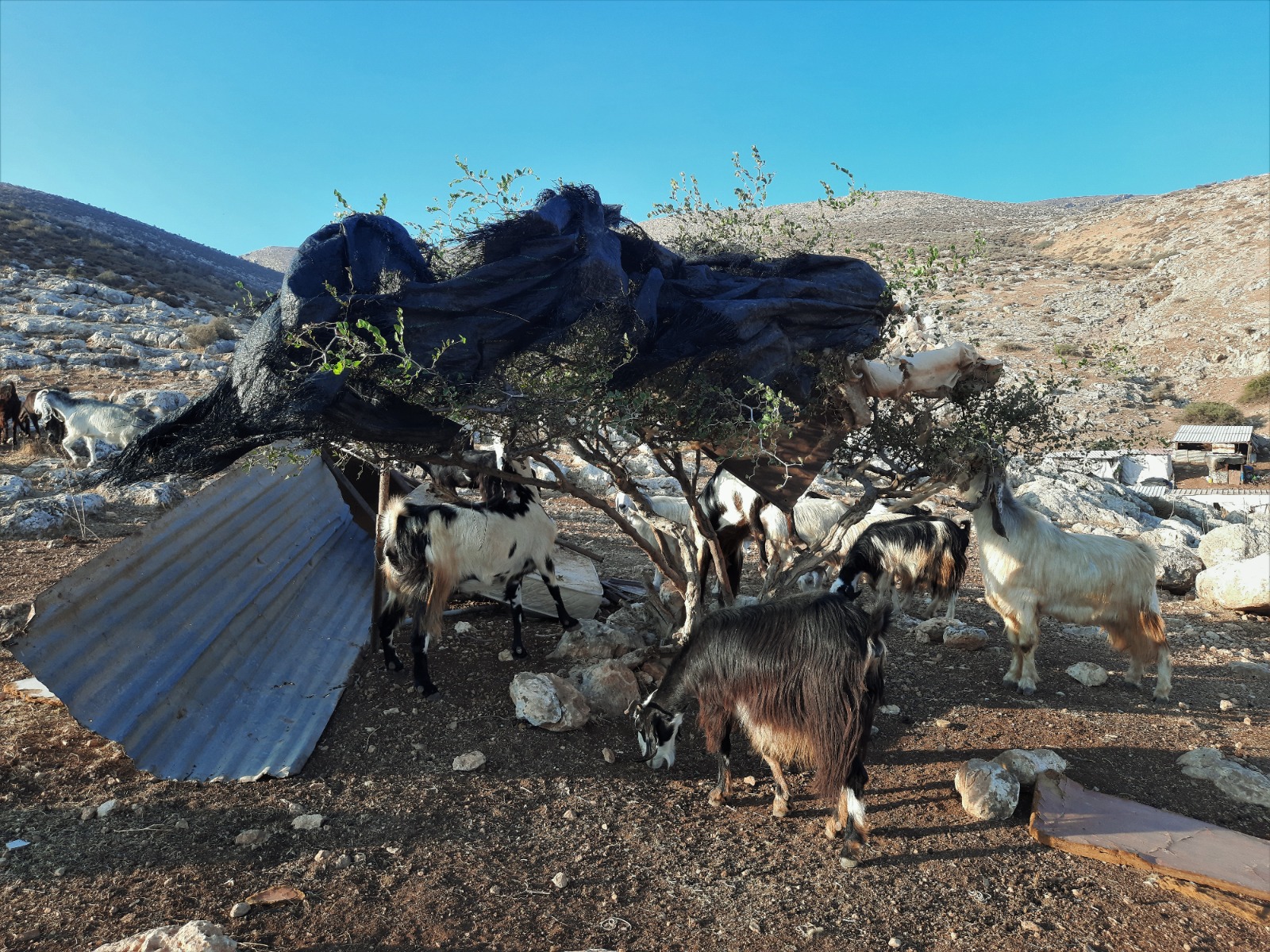 Shahar ShilohNov-3-2021Ein Shibli: grazing begins close to home
-
Ma'ale Efrayim
See all reports for this place-
Ma'ale Efrayim On the road connecting Route 90 (the Jordan Valley road) to the Allon Road.
-
Za'tara (Tapuah)
See all reports for this place-
Za'tara (Tapuah) Za'tara is an internal checkpoint in the heart of the West Bank, at the intersection of Road 60 and Road 505 (Trans-Samaria), east of the Tapuah settlement. This checkpoint is the "border" marked by the IDF between the north and south of the West Bank, in accordance with the policy of separation between the two parts of the West Bank that has been in place since December 2005. At the Za'tara checkpoint, there are separate routes for Israelis and Palestinians. In the route for Israelis, there are no inspections and the route for Palestinians inspects. The queue lengthens and shortens suits. The checkpoint is open 24 hours a day. The checkpoint is partially staffed and the people who pass through it are checked at random.
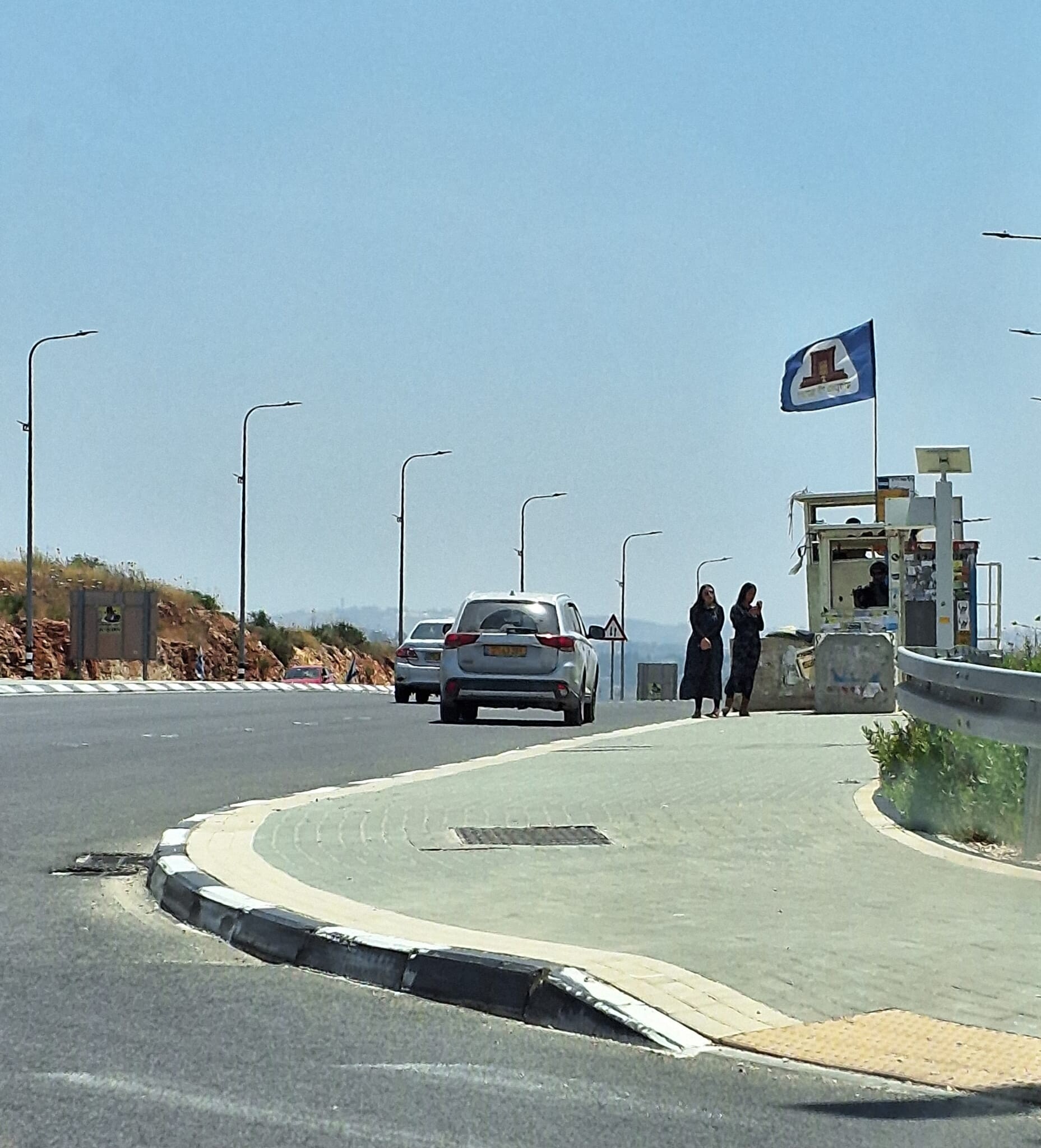 Ronit Dahan-RamatiJun-9-2026Za'atara (Tapuach Junction). The Temple Flag Above a Station
-
